Colors in Men’s Fashion: How to Choose Shades That Highlight Your Style


Colors in Men’s Fashion: How to Choose Shades That Highlight Your Style
Color plays a bigger role in men’s fashion than many realize. The right shades can emphasize your personality, flatter your features, and give your outfit character—without making you stand out too much. But how do you choose the right tones, and how do you combine them so they fit both the occasion and your personal style? Here’s a guide to using color with confidence in your wardrobe.
Know Your Color Type
A good starting point is to figure out which colors suit you best. This often depends on your skin tone, hair color, and eye color.
- Cool undertone: If your skin has a pink or bluish hue and your veins appear blue, cool colors will flatter you most—think navy, gray, white, black, and cool shades of green or purple.
- Warm undertone: If your skin has a golden or olive tone and your veins look more green, warm colors like beige, brown, olive, mustard, and rust will look great on you.
- Neutral undertone: If you’re somewhere in between, you can usually wear both warm and cool colors—it’s all about balance and contrast.
Knowing your undertone makes it easier to choose clothes that make your skin look fresh and your eyes stand out.
Start with the Basics
A well-rounded wardrobe starts with neutral colors that are easy to mix and match. These form the foundation you can build on with bolder shades.
- Navy – classic, versatile, and flattering for most men.
- Gray – works for both formal and casual looks, depending on the fabric.
- Beige and khaki – great for summer and for creating a light, relaxed vibe.
- Black and white – timeless contrasts, but use them thoughtfully so your look doesn’t feel too stark.
Once you’ve got your basics covered, you can start adding colors that express your personality.
Use Color to Express Your Style
Color can say a lot about who you are and how you want to present yourself.
- Subtle and classic: Stick to muted tones like navy, gray, and sand. They create a calm, sophisticated impression.
- Creative and modern: Try unexpected combinations—like green with burgundy or light blue with mustard.
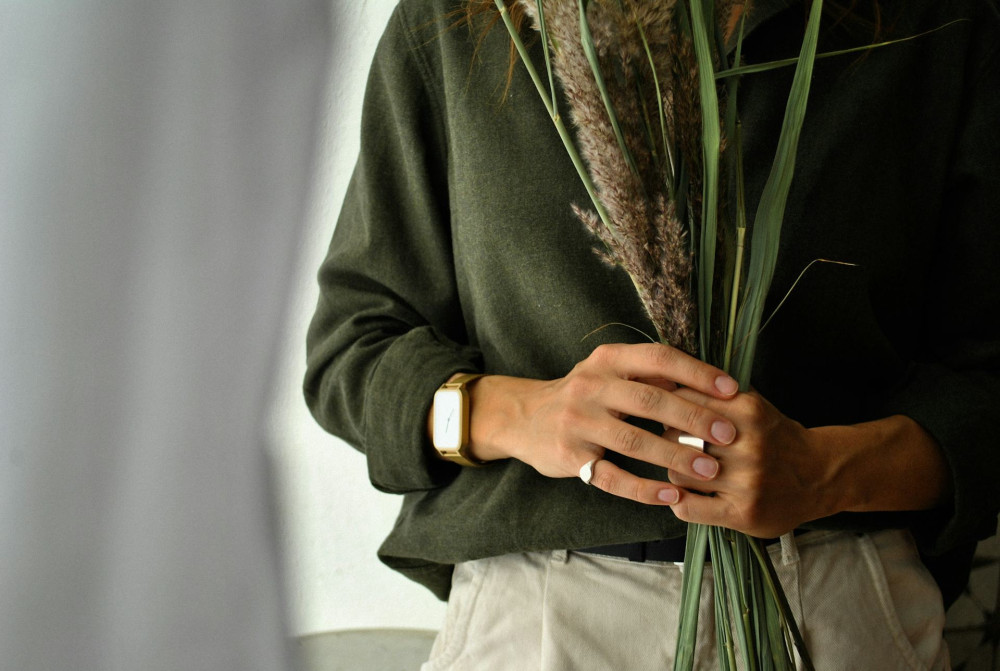
- Relaxed and natural: Earth tones such as brown, olive, and rust give a warm, laid-back look.
- Confident and bold: Go for strong colors like red, royal blue, or emerald green—but in moderation, such as a shirt, tie, or jacket.
It’s not about following trends—it’s about finding the colors that feel right for you.
Combine Colors with Intention
When putting together an outfit, think about contrast and balance. A simple rule of thumb is to stick to three colors at a time—one dominant, one secondary, and one accent color.
Example: A navy blazer (dominant), a light gray shirt (secondary), and a burgundy tie (accent). The result is harmonious yet dynamic.
If you’re unsure, use a color wheel as a guide: colors opposite each other (complementary colors) create contrast, while colors next to each other create a calm, cohesive look.
Læs også:



Colors for Different Occasions
Your color choices should also reflect where you’re wearing the outfit.
- For work: Neutral and subdued colors like navy, gray, and white signal professionalism.
- For casual wear: You can be more playful—try green, red, or light blue in shirts and sweaters.
- For evening events: Darker shades like black, deep blue, or wine red look elegant, while a colorful jacket or patterned tie adds personality.
- For summer: Light colors like beige, white, and pastels create a fresh, airy feel.
Adapting your colors to the occasion shows both style awareness and social understanding.
Experiment with Accessories
If you’re not ready to dive into colorful shirts or pants, start small. A patterned pocket square, colorful socks, or a tie in a bold shade can make a big difference.
Accessories are an easy way to experiment—you can change your look quickly without overhauling your entire wardrobe.
Find Your Own Palette
The most important thing is to feel comfortable in the colors you wear. Try different shades in front of a mirror and notice how they affect your appearance. Some colors make you look vibrant and energized, while others can wash you out.
Once you’ve found your personal color palette, shopping and styling become much easier—and your wardrobe will truly reflect your authentic self.
Læs også: