Green Habits That Benefit Both the Climate and Your Family’s Health

Green Habits That Benefit Both the Climate and Your Family’s Health
Living more sustainably isn’t just about protecting the planet—it can also make your family’s daily life healthier, simpler, and more meaningful. Small changes in everyday routines can reduce your carbon footprint while improving well-being, increasing physical activity, and encouraging better eating habits. Here are some practical ways to build green habits that benefit both the climate and your family’s health.
Eat Greener—and Together
What we eat has a major impact on both the environment and our bodies. When your family eats more vegetables, beans, and whole grains, you lower your carbon footprint and boost your intake of fiber, vitamins, and energy.
Try introducing one or two meatless days each week. Make dishes where vegetables take center stage—like lentil chili, veggie tacos, or pasta with roasted vegetables. Involve your kids in cooking; it helps them become curious about new foods and strengthens family bonds around the dinner table.
Eating together without screens also encourages mindfulness and connection—a green habit for both body and mind.
Turn Transportation into Exercise
Transportation is one of the biggest sources of household carbon emissions, but many short trips can be done on foot or by bike. That’s good for the planet—and for your health.
Create a family challenge: How many days a week can you walk or bike to school, work, or local activities? Even short trips count. You’ll get fresh air, better fitness, and less stress from traffic.
If driving is necessary, consider carpooling or switching to an electric or hybrid vehicle. Plan errands efficiently to reduce the number of trips and save both time and fuel.
Create a Healthy, Sustainable Home
A green home is about more than energy use—it’s also about indoor air quality and overall well-being. Small adjustments can make a big difference.
- Open windows for a few minutes several times a day to improve air quality.
- Lower the thermostat by one or two degrees in winter and raise it slightly in summer to save energy and money.
- Choose eco-friendly cleaning products that are gentler on both the environment and your family’s lungs.
- Reuse and repair instead of replacing—teach kids that items can have a second life.
A home with fewer chemicals, less waste, and more intention often feels calmer and healthier to live in.
Læs også:

Make Nature Part of Family Life
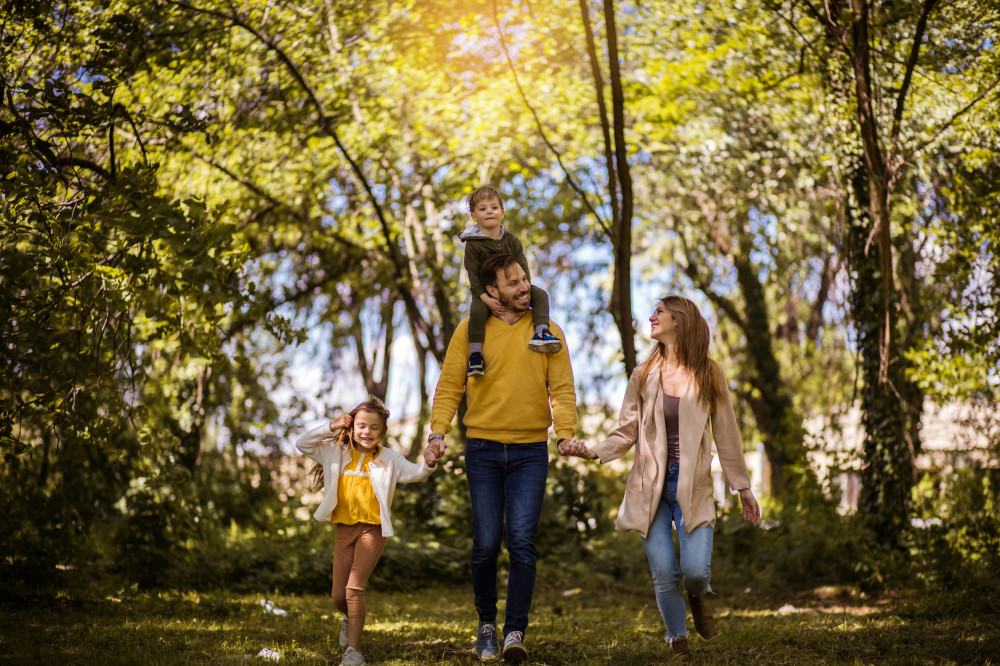
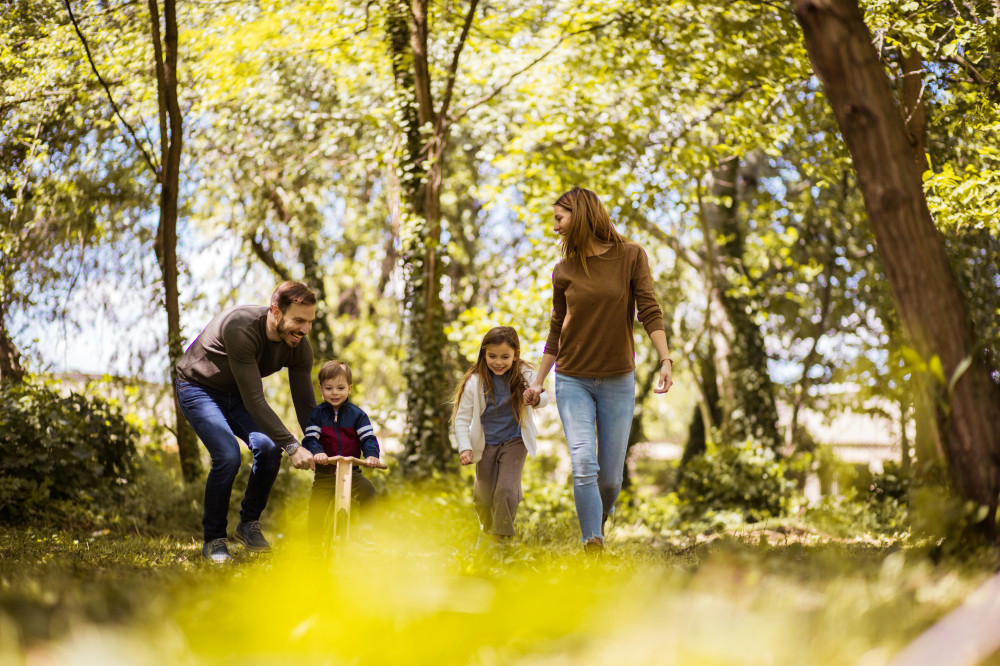
Spending time outdoors strengthens both physical and mental health—and builds a natural respect for the environment. Make it a habit to get outside together, no matter the season.
Go for walks in a nearby park, bike along local trails, or start a small garden at home. Kids who dig in the dirt and watch plants grow gain an intuitive understanding of how nature works.
Even 30 minutes outdoors each day can lower stress and boost energy—a simple green habit with lasting benefits.
Rethink Consumption—Choose Quality Over Quantity
Many of the things we buy have a larger environmental impact than we realize. By choosing fewer, higher-quality products, your family can save money and reduce waste.
Buy durable clothing that lasts longer, and shop secondhand when possible. Borrow or swap items with friends and neighbors—from kids’ gear to gardening tools.
Talk with your children about how products are made and why it’s important to care for resources. These conversations help them develop lifelong awareness of sustainability.
Small Steps, Big Impact
Living greener doesn’t have to be perfect. It’s about taking one step at a time and finding solutions that fit your family’s lifestyle. Every time you choose the bike over the car, vegetables over meat, or reuse over new, you make a difference—for the planet and for yourselves.
Over time, these green habits become second nature, bringing better health, stronger family connections, and the satisfaction of contributing to something bigger than yourselves.
Læs også: