Movement and Joy: Physical Activity as Mental Support for Children and Adolescents


Movement and Joy: Physical Activity as Mental Support for Children and Adolescents
In a time when many children and teens spend more hours in front of screens than ever before, the importance of physical activity is often overlooked. But movement is about more than fitness or physical health—it plays a vital role in emotional well-being, confidence, and mental balance. Research in the United States and around the world shows that regular physical activity can reduce stress, improve mood, and strengthen social connections. For young people, it can be one of the most natural and effective ways to support mental health.
The Connection Between Body and Mind
When children move, their bodies release endorphins—often called “feel-good hormones”—that create a sense of calm and happiness. At the same time, levels of the stress hormone cortisol decrease. This means that physical activity not only strengthens the body but also helps the brain find balance.
Movement can also improve focus and learning. Many American schools that have introduced short movement breaks or “brain breaks” during the school day report that students return to class more focused and motivated. This shows that physical activity doesn’t have to be limited to sports or after-school programs—it can be a natural part of everyday life.
Play as an Emotional Outlet
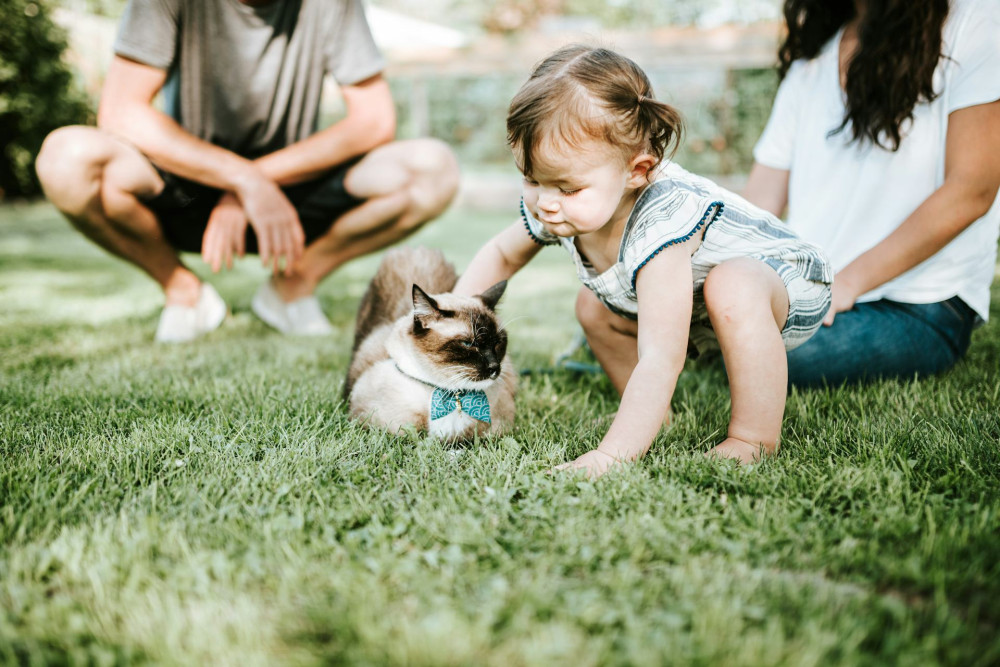
For children, play is the most natural form of movement. When they run, jump, ride bikes, or play games, they’re not just exercising—they’re processing emotions, exploring boundaries, and learning to cooperate. Play allows them to let go of worries and be fully present in the moment.
For adolescents, finding joy in movement can be more challenging, especially if they associate exercise with competition or pressure. In these cases, it helps to focus on activities that feel fun and meaningful—like dancing, hiking, skateboarding, or walking with friends. The goal isn’t to be the fastest or the strongest, but to move in ways that bring energy and joy.
Building Confidence and Community
Physical activity can also strengthen social bonds. When children and teens participate in team sports or group activities, they learn to communicate, collaborate, and support one another. This sense of belonging is essential for mental well-being.
Success in movement—whether it’s learning a new dance, finishing a hike, or completing a fun run—can also boost self-esteem. It’s not about being the best; it’s about discovering that you’re capable of more than you thought.
Parents and Adults as Role Models
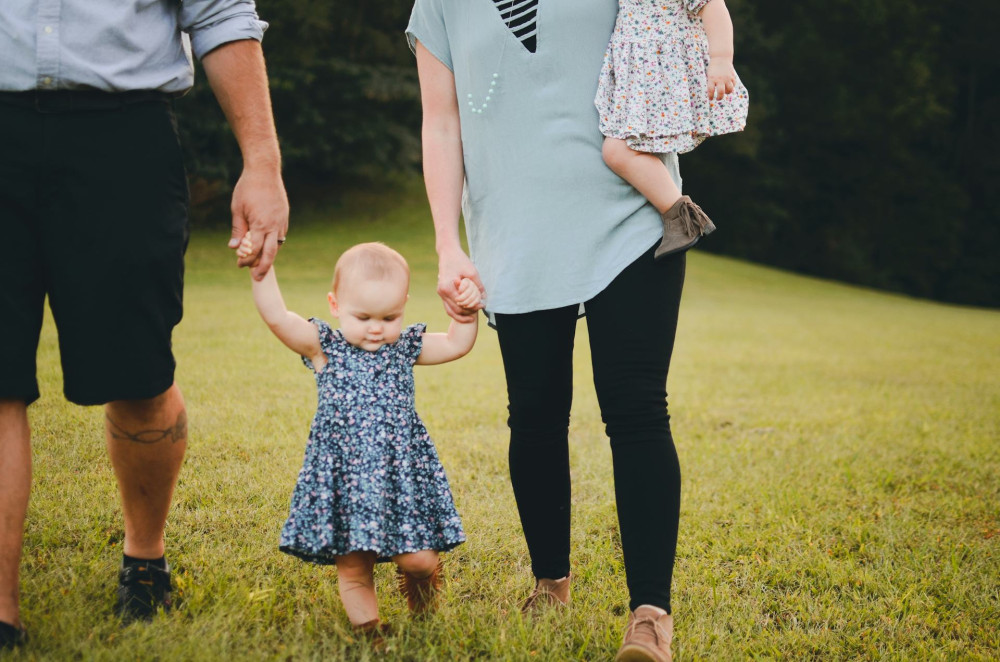
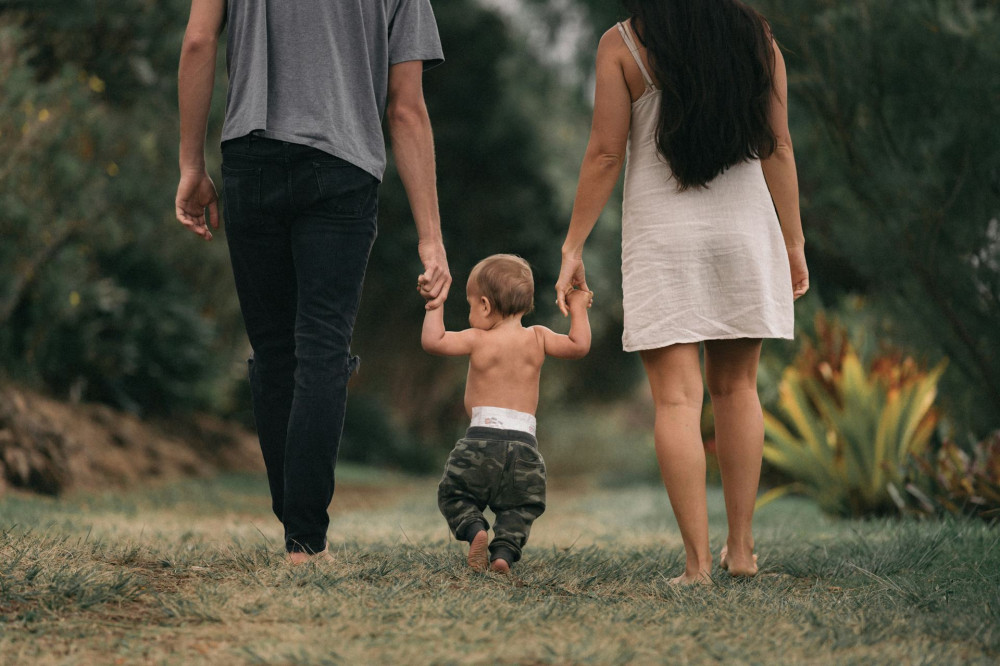
Children learn by example. When parents, teachers, and caregivers show that movement is a natural and positive part of daily life, it has a powerful influence. It can be as simple as walking the dog together, biking to the park, or playing catch in the backyard.
It’s also important to create an environment where movement is associated with joy, not obligation. When children experience physical activity as something that makes them feel good—not something they have to do—they’re more likely to stay active throughout their lives.
Small Steps, Big Impact
You don’t need to be an athlete to benefit from movement. Even small changes in daily routines can make a big difference. Walking or biking to school, playing outside after dinner, or joining a local recreation program can all help lift mood and reduce stress.
For children and teens struggling with anxiety, restlessness, or low self-esteem, physical activity can be an important complement to other forms of support. It gives the body a voice and helps the mind find calm.
Læs også:

An Investment in the Future
Encouraging movement among children and adolescents isn’t just about preventing illness—it’s about building a foundation for a life filled with energy, joy, and resilience. When we give young people the freedom to move, play, and connect with their bodies, we also give them tools to handle life’s challenges.
Movement is more than exercise. It’s a path to happiness, connection, and mental strength—and a gift that lasts a lifetime.
Læs også: