Children’s Museums: When Exhibits Bring Play and Learning to Life


Children’s Museums: When Exhibits Bring Play and Learning to Life
Museums are no longer quiet halls filled with “Do Not Touch” signs and glass cases. Across the United States, children’s museums and family-friendly exhibits are transforming the way kids experience art, science, and history. These spaces invite children to touch, build, experiment, and imagine — turning learning into an adventure that engages all the senses.
Here’s a look at how children’s museums in the U.S. are bringing play and learning to life — and how families can make the most of every visit.
From “Look, Don’t Touch” to “Try It Yourself!”
Over the past few decades, museums have shifted from being places of observation to places of participation. Instead of simply displaying information, they now invite children to become part of the story.
At science museums, kids can launch rockets, build circuits, or explore the physics of water. Art museums offer creative studios where children can paint, sculpt, or design their own masterpieces. History museums let young visitors dress up as pioneers, shopkeepers, or inventors from the past.
This change is rooted in a simple truth: children learn best when they can use their hands, imagination, and curiosity. When they experiment and explore, knowledge becomes experience — and experience becomes memory.
Learning Through Play — Why It Works
Play is one of the most powerful ways children make sense of the world. It encourages problem-solving, creativity, and collaboration. Museums that blend play with education create environments where kids are both entertained and intellectually challenged.
Hands-on exhibits — from building bridges to testing wind tunnels — give children a sense of discovery and accomplishment. These moments often spark questions that parents and kids can explore together, turning a museum visit into a shared journey of curiosity.
For many families, a trip to a children’s museum isn’t just an outing — it’s a chance to learn, laugh, and connect.
Great Children’s Museums Across the U.S.
The United States is home to hundreds of museums designed with kids in mind. Here are a few that stand out for their creativity and interactive approach:
- The Children’s Museum of Indianapolis (Indiana) – The largest children’s museum in the world, featuring everything from a dinosaur exhibit to a space exploration zone and a hands-on science lab.
- Boston Children’s Museum (Massachusetts) – One of the oldest children’s museums, known for its focus on early childhood learning and its iconic three-story climbing structure.
- Exploratorium (San Francisco, California) – A museum of science, art, and human perception where kids (and adults) can experiment with light, sound, and motion.
- Please Touch Museum (Philadelphia, Pennsylvania) – True to its name, this museum encourages kids to touch, build, and play their way through exhibits about imagination, transportation, and the natural world.
- Discovery Cube (Los Angeles and Orange County, California) – A science museum that makes STEM learning fun through interactive exhibits on space, energy, and the environment.
No matter where you live, chances are there’s a museum nearby that welcomes children as active participants in learning.
Tips for Making the Most of Your Visit
A successful museum trip with kids takes a bit of planning — and a lot of flexibility. Here are some ways to make it memorable:
- Check the website first. Look for exhibits or programs designed for your child’s age group, and see if there are special events or workshops.
- Let kids lead the way. Follow their interests and pace — it’s okay not to see everything.
- Ask open-ended questions. Encourage curiosity with prompts like “What do you think will happen if…?” or “How would you build this differently?”
- Take breaks. Most museums have cafés or picnic areas — use them to rest and talk about what you’ve seen.
- Keep the learning going. After your visit, read a book, build a project, or draw something inspired by the exhibits.
Museums as Shared Experiences
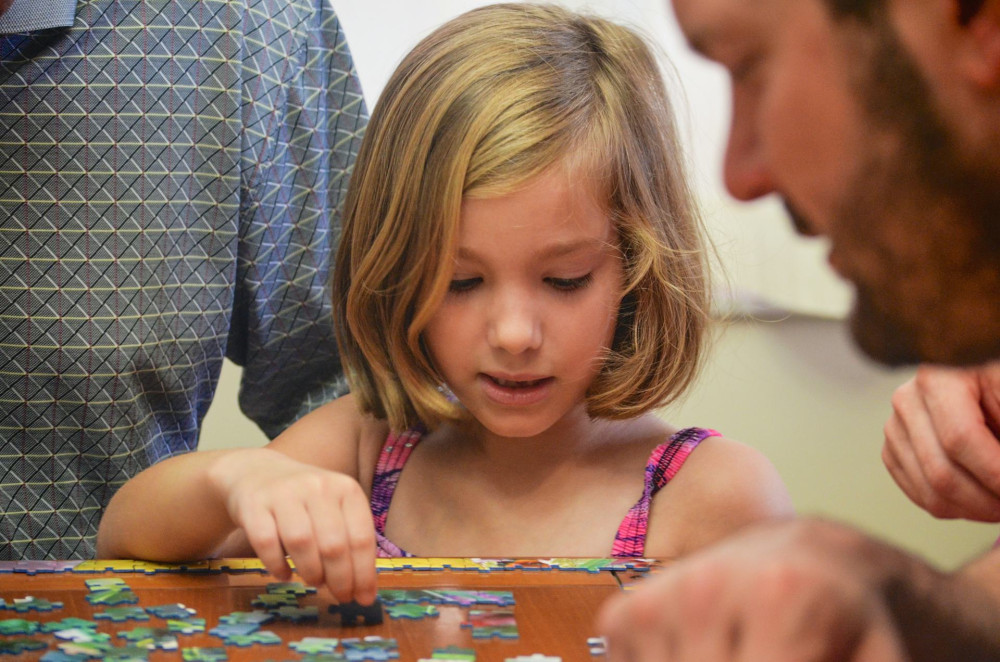
Children’s museums are more than just places to learn — they’re spaces where generations connect. Grandparents can share stories from their own childhoods, while kids experience history and science in new, hands-on ways. These shared discoveries create conversations and memories that last long after the visit ends.
Museums remind us that learning doesn’t have to be quiet or confined to a classroom. It can be loud, messy, and full of wonder.
Læs også:


A New Way to Experience Knowledge
When museums embrace play, they don’t lose their educational value — they expand it. They become places where curiosity thrives and where children realize that knowledge isn’t just something you read about; it’s something you can touch, build, and live.
For kids, that’s a powerful lesson: learning isn’t separate from play — it’s one of the most joyful forms of it. And for parents, it’s a reminder that the best discoveries often happen when we explore the world together.
Læs også: