Family Games as Part of Holidays and Family Traditions

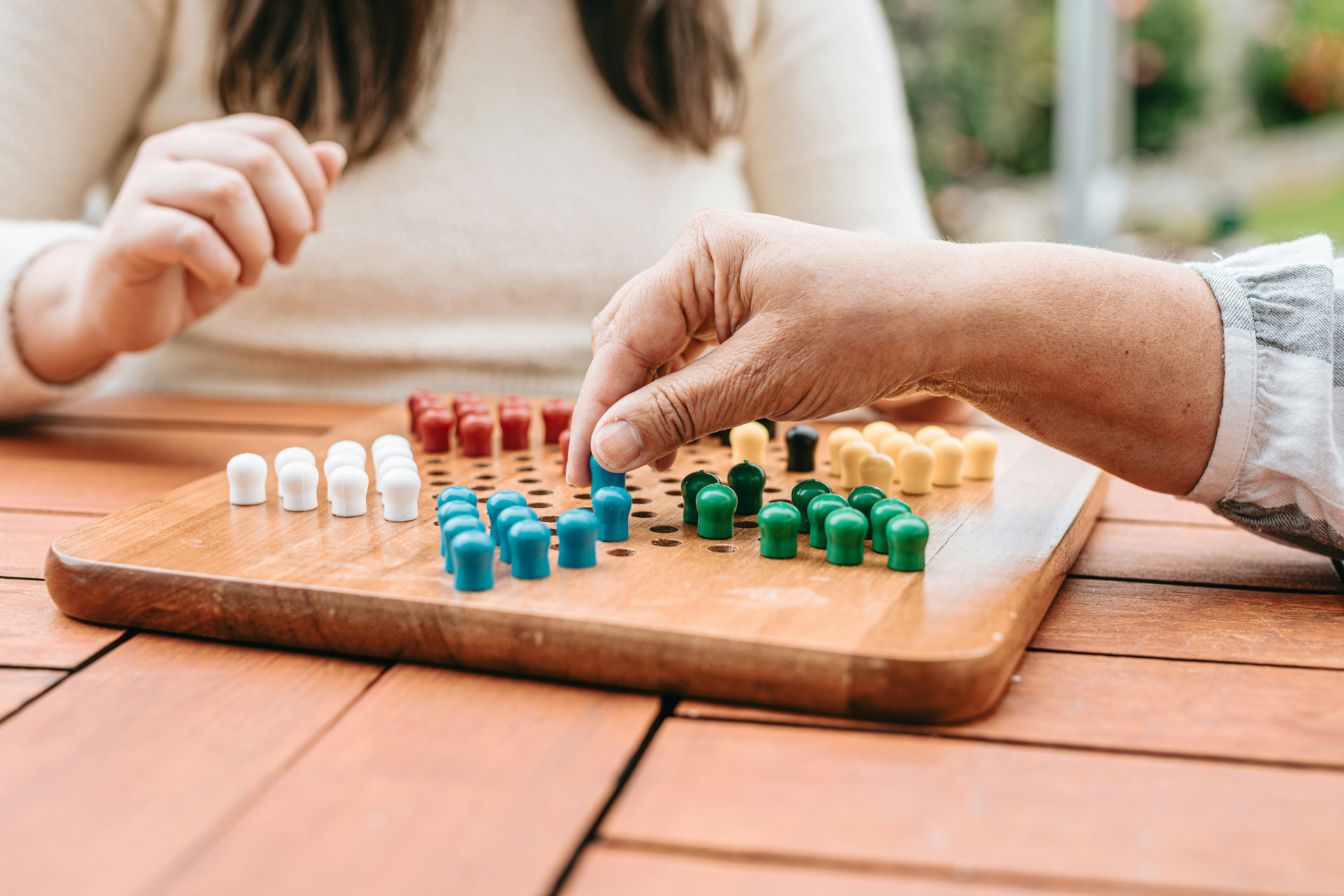
Family Games as Part of Holidays and Family Traditions
When families in the United States gather for the holidays—whether it’s Thanksgiving, Christmas, or the Fourth of July—it’s often around the table, sharing food, stories, and laughter. But for many families, there’s another tradition that brings everyone together: playing games. Family games have long been a part of American holiday traditions, offering a way for generations to connect, compete, and create memories that last far beyond the season.
Games as a Bridge Between Generations
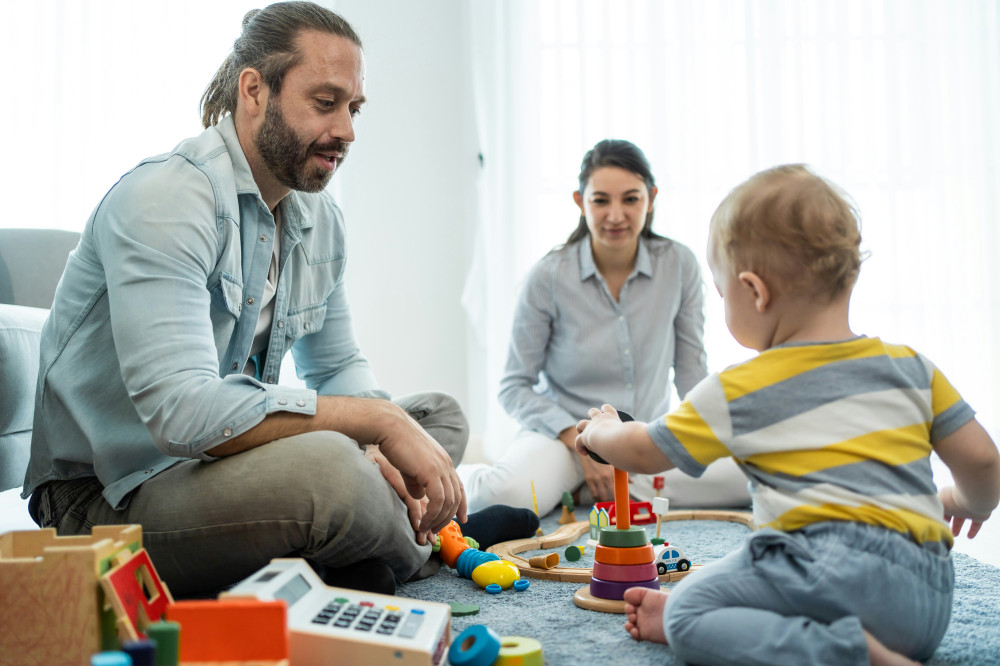
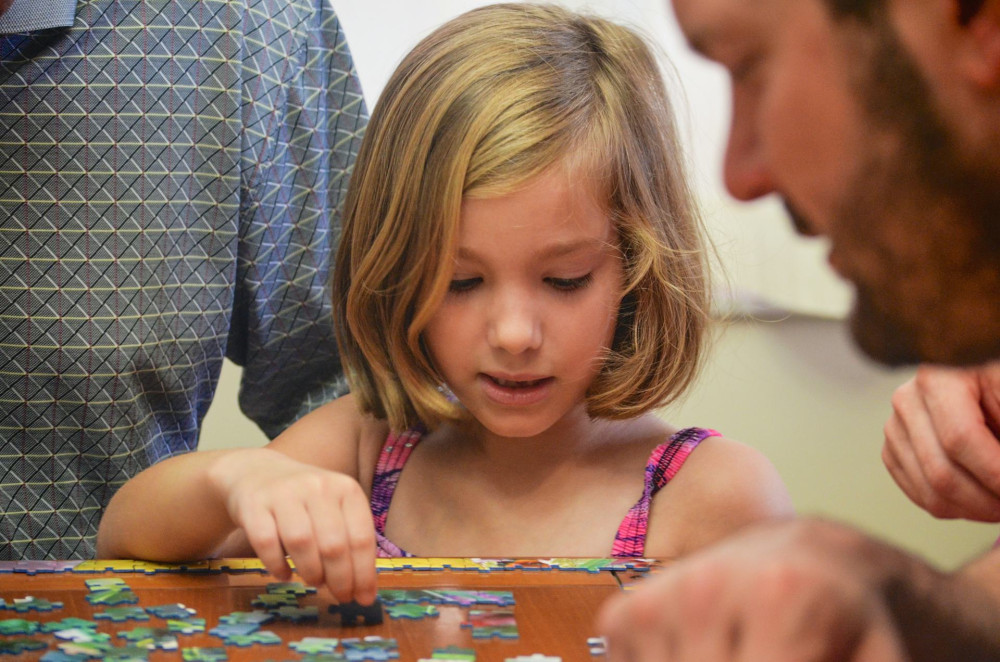
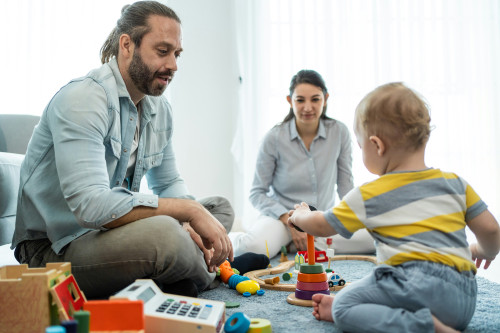
A good family game doesn’t need complicated rules or fancy equipment. What matters most is the shared experience—the laughter, the teamwork, and the friendly rivalry. For children, games can teach patience, cooperation, and problem-solving. For adults, they offer a chance to slow down, unplug, and simply enjoy being together.
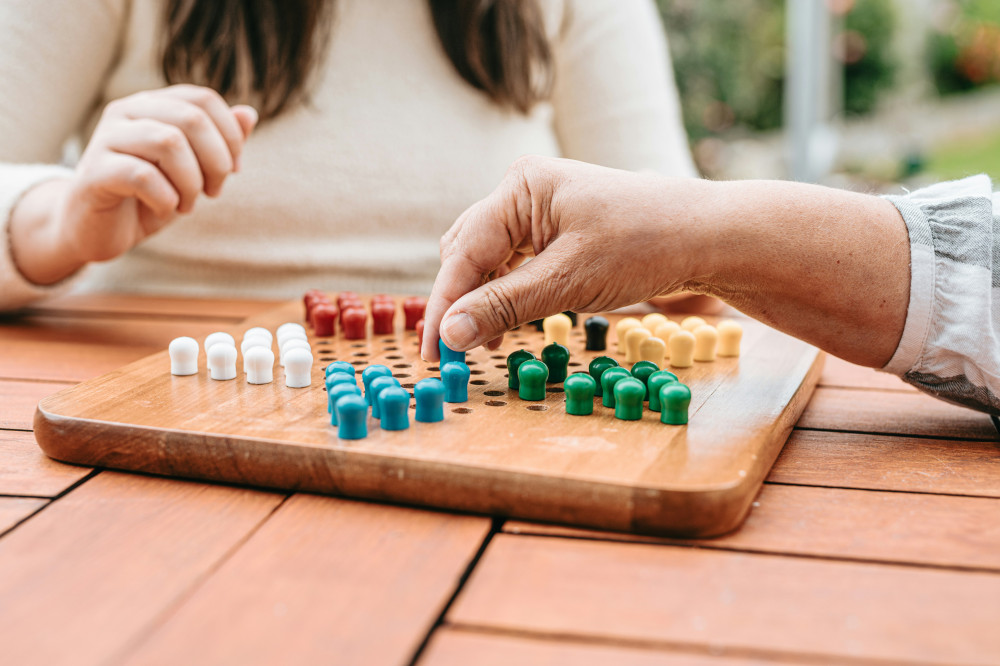
When grandparents join in, something special happens. The game becomes a common language that transcends age. Whether it’s a classic board game, a deck of cards, or a new trivia challenge, the fun lies in the shared moments. Many families have that one game that always comes out during the holidays, no matter how many years go by.
Thanksgiving – The Season of Togetherness
Thanksgiving is perhaps the most game-filled holiday in many American homes. After the turkey and pie, when everyone is too full to move, a board game or card game can be the perfect way to keep the celebration going. Some families stick to old favorites, while others introduce a new game each year. It’s a tradition that brings laughter to the table and gives everyone—from kids to grandparents—a chance to join in.
Games also offer a welcome break from screens and football on TV. They encourage conversation, teamwork, and a bit of friendly competition—reminding everyone that the best part of the holiday is simply being together.
Christmas, Summer, and Beyond – Games All Year Long
While Thanksgiving may be the biggest family gathering, games play a role in many other holidays and vacations. At Christmas, families often gather around the fire for a long evening of board games after the gifts are opened. In summer, games move outdoors—cornhole, horseshoes, or a round of cards on the porch. Even on the Fourth of July, games like trivia or lawn games can become part of the celebration.
Rainy weekends, spring breaks, and family reunions all offer opportunities to bring out the games. Over time, these moments become part of the rhythm of family life—a signal that it’s time to relax, laugh, and reconnect.
Læs også:
Traditions That Evolve
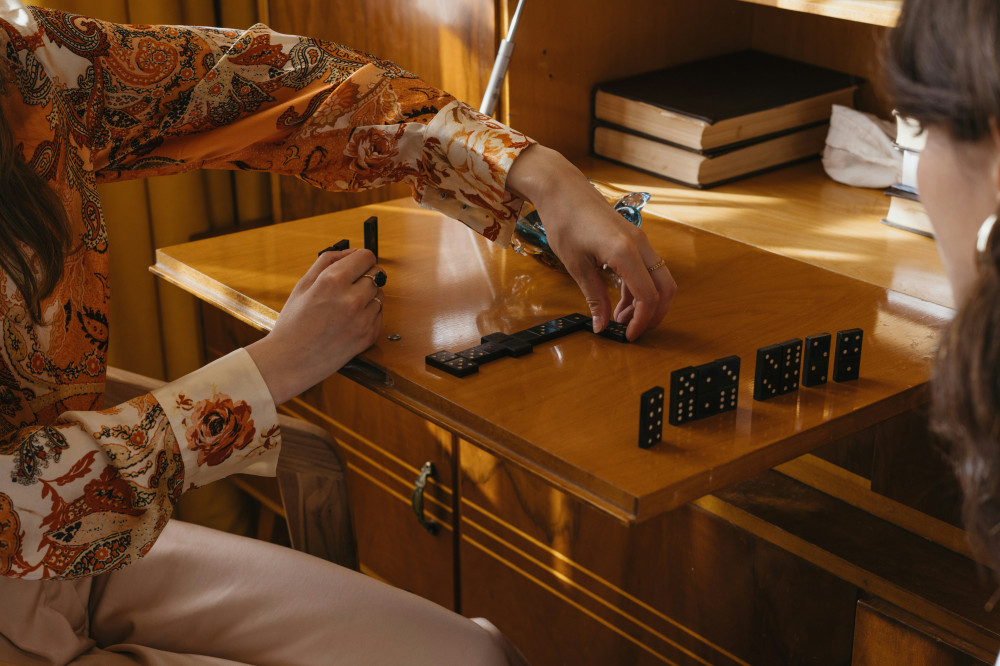
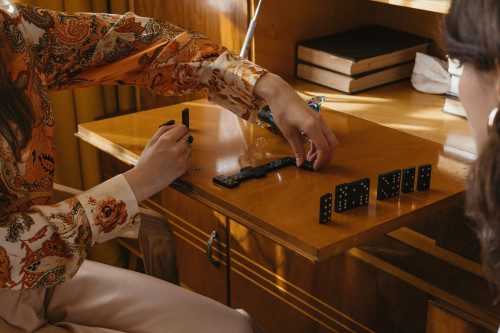
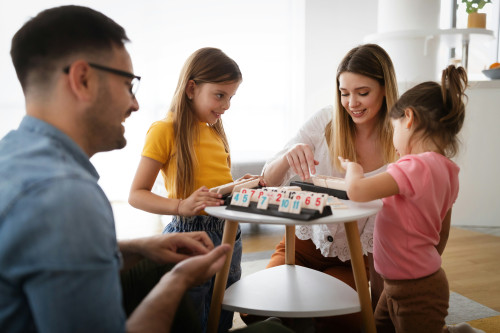
Family game traditions change with each generation. While older relatives might favor classics like Monopoly or Scrabble, younger family members may bring in cooperative games, trivia about pop culture, or even digital party games that everyone can play together. Some families create their own house rules or hold small tournaments that become part of their unique holiday rituals.
The specific game doesn’t matter as much as the tradition itself. What counts is the anticipation—the knowledge that, every year, there will be time set aside just for fun and connection. As children grow up, they often carry these traditions into their own homes, continuing the cycle with new games but the same spirit of togetherness.
Games as a Way to Connect
In a world where so much of our time is spent in front of screens, family games offer something refreshingly simple. They invite us to be present, to listen, to laugh, and to share in the moment. A game can break the ice when conversation lulls or bring everyone together after a busy day.
Family games remind us that the best holiday memories aren’t always about the food or the gifts—they’re about the laughter around the table, the playful teasing, and the joy of being together. Year after year, these games become more than just entertainment—they become a cherished part of what it means to be family.
Læs også: