Collaboration or Competition? How to Find the Right Balance in Family Games

Collaboration or Competition? How to Find the Right Balance in Family Games
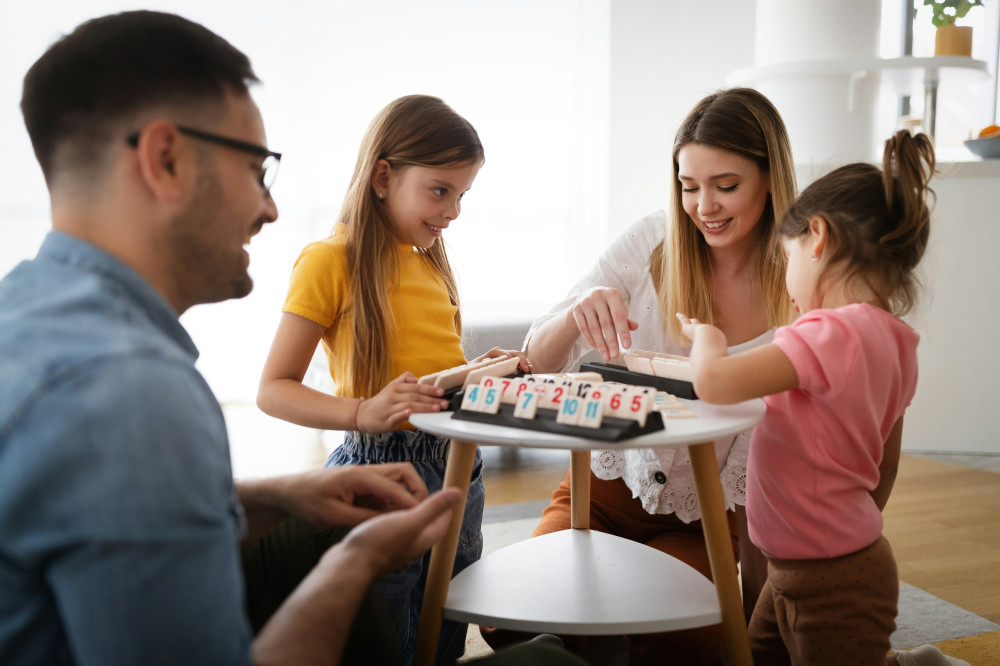
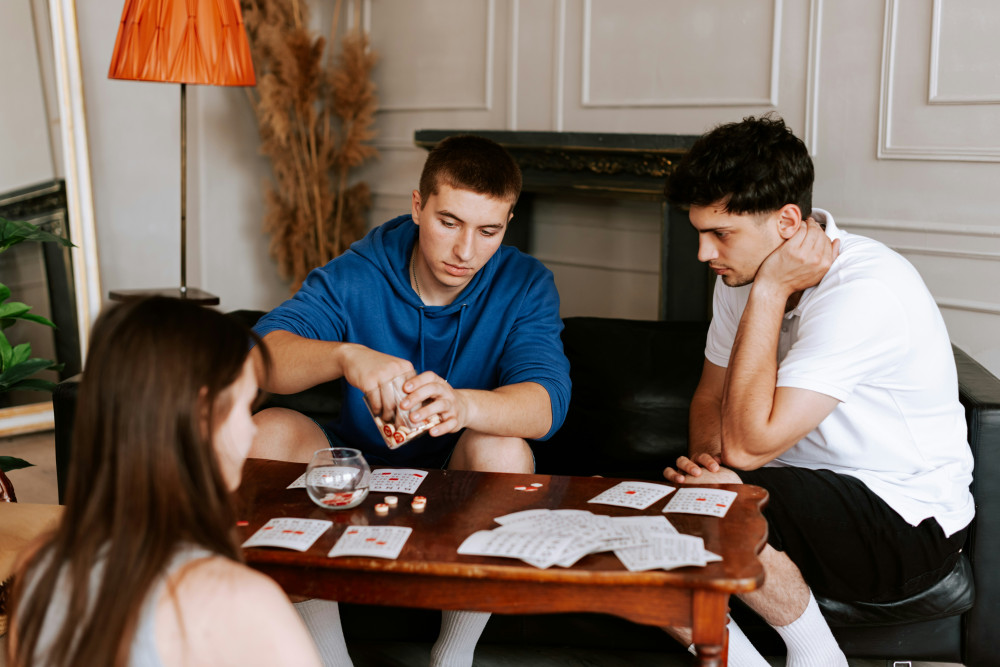
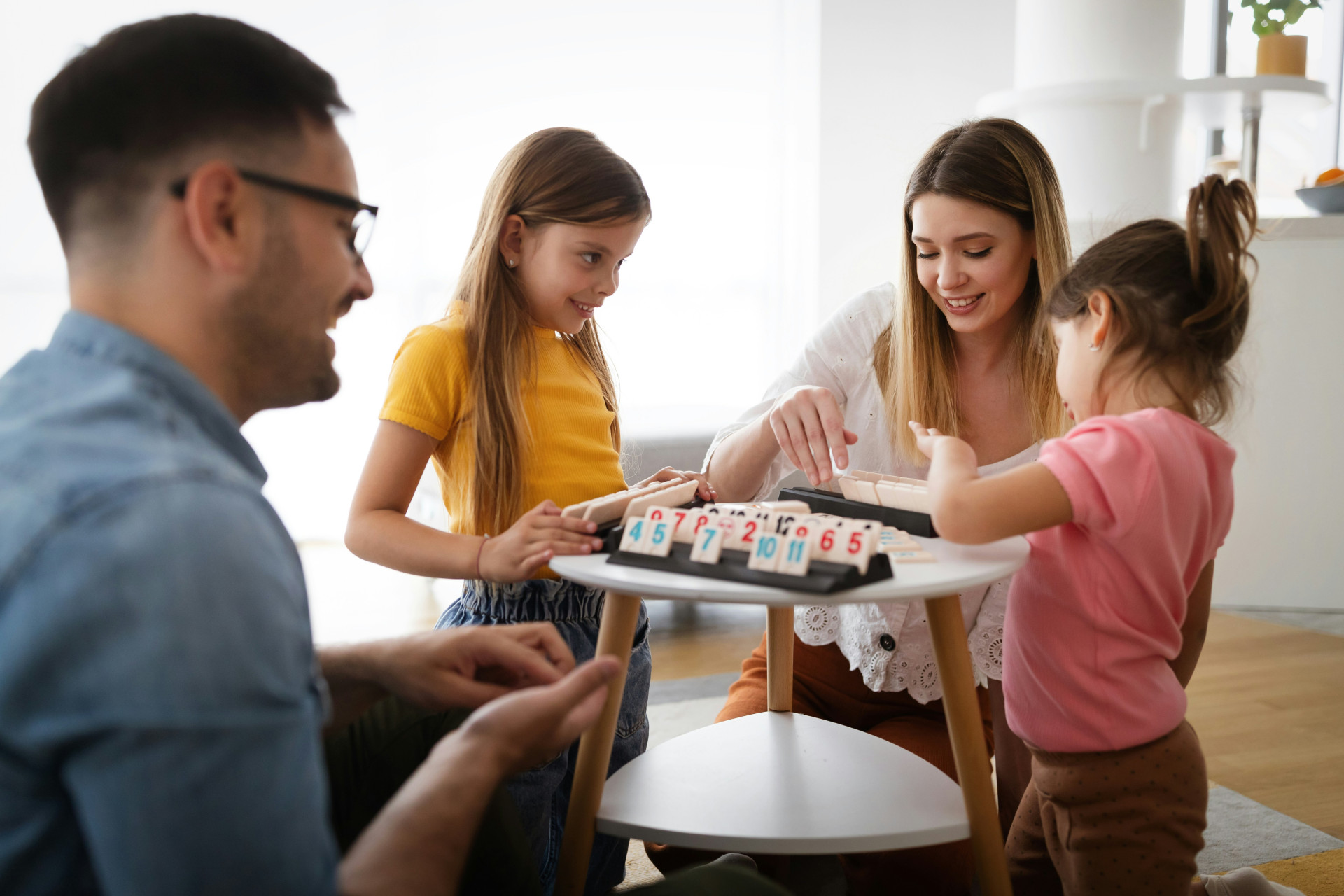
When the family gathers around the table for a game night, the mood can shift quickly—from laughter and lighthearted fun to fierce competition. For some, that competitive spark is what makes the game exciting. For others, it can take the joy out of the evening. Finding the right balance between collaboration and competition is key to making sure everyone has a good time. Here’s how to create game nights that bring your family closer together—without losing the thrill of a little friendly rivalry.
Why Competition Matters
Competition isn’t a bad thing. It teaches kids (and adults) how to handle both winning and losing, set goals, and give their best effort. But when the drive to win becomes too intense, it can lead to frustration and conflict—especially in families with a mix of ages and personalities.
The goal isn’t to eliminate competition but to adjust it. Ask yourselves: What’s the purpose of this game night? Is it to win—or to have fun together? Once everyone agrees on the goal, it’s easier to keep the tone light and enjoyable.
Læs også:
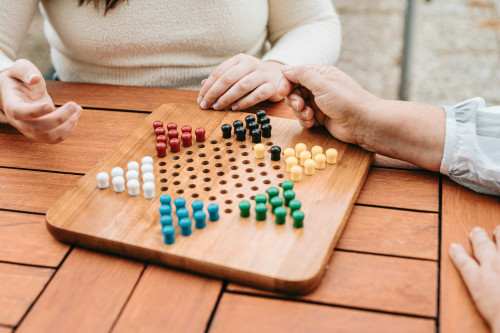
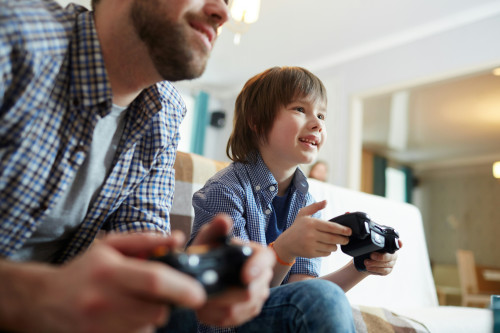
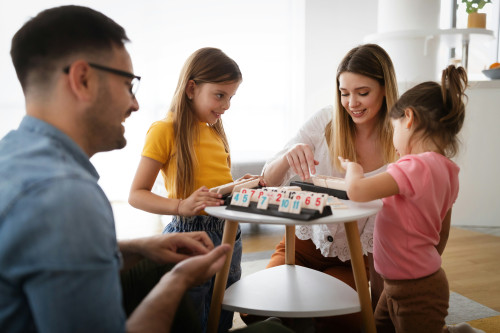
Choose Games That Match the Mood
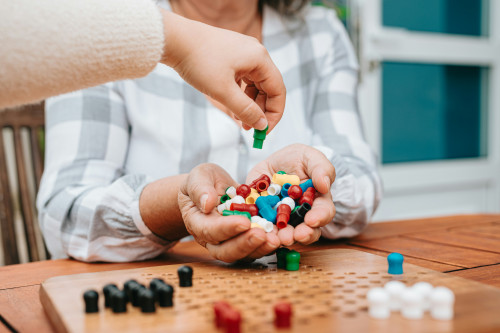
Some games are built around teamwork, while others thrive on direct competition. Mixing both types can help keep everyone engaged and happy.
- Cooperative games like Pandemic or Forbidden Island encourage players to work together against the game itself. They build teamwork and create a sense of shared victory.
- Light competition can be found in games like Uno or Sorry!, where the rules are simple and losses are quickly forgotten.
- Strategic games such as Catan or Ticket to Ride are great when everyone’s ready for a bit of tactical thinking and playful rivalry.
By choosing games that fit the family’s energy level and mood—rather than forcing the mood to fit the game—you’ll keep the fun front and center.
Set Shared Ground Rules
Even the best game can cause tension if expectations aren’t clear. Before you start, take a moment to talk about how you want to play:
- Is playful teasing okay, or should the tone stay calm and friendly?
- Should younger players get a little help, or is everyone on equal footing?
- How will you handle disagreements about the rules?
When everyone feels heard, it’s easier to accept the outcome—no matter who wins.
Teach Kids to Win and Lose Gracefully
For kids, losing can be tough—but it’s an important life lesson. Help them put their feelings into words: “I can see you’re disappointed—you really wanted to win.” That acknowledgment helps them understand that it’s okay to feel upset, but also to move on.
The same goes for winning. Celebrating with kindness—without gloating—is just as important as losing with grace. When adults model good sportsmanship, kids are more likely to follow suit.
Turn Game Night Into a Shared Project
If competition tends to get out of hand, try shifting the focus. Make game night a shared project where the goal is to create fun memories together. You can:
- Invent your own house rules or variations of favorite games.
- Play in teams so kids and adults can collaborate.
- Add “bonus challenges” where players earn points for helping others or making someone laugh.
When the focus moves from the outcome to the experience, the game becomes more inclusive—and a lot more fun.
Remember What It’s Really About
In the end, family game night isn’t about finding the perfect balance once and for all—it’s about staying aware of the mood and adjusting as you go. Some nights, you’ll crave a little competition; other nights, teamwork will feel just right. The most important thing is that everyone feels included and enjoys themselves.
When laughter outweighs frustration and the fun lasts longer than the game itself, you’ve found the sweet spot—where collaboration and competition can happily coexist.
Læs også: