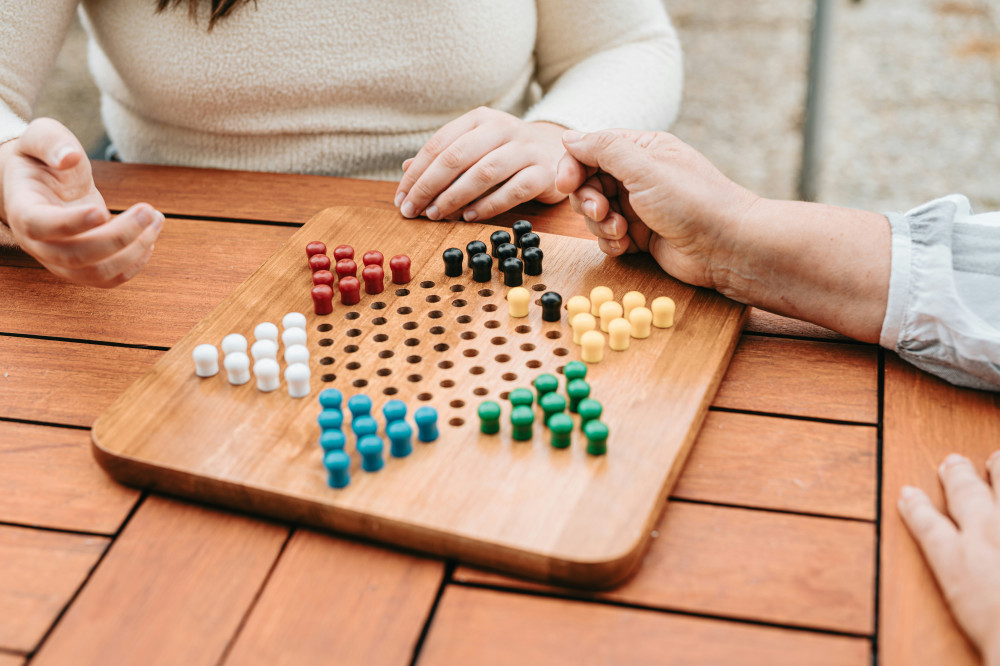
Why We Still Love Ludo, Monopoly, and Uno


Why We Still Love Ludo, Monopoly, and Uno
Even in a world overflowing with video games, streaming platforms, and social media, there’s something timeless about gathering around a table for a classic board or card game. Ludo, Monopoly, and Uno have been staples in American homes for generations—and they keep finding their way out of the closet whenever family or friends want to spend time together. But what is it that makes us keep coming back to these games, even when entertainment is just a tap away?
Simple Rules, Big Fun
One of the greatest strengths of these classics is their simplicity. Ludo needs only a die and a few tokens, Uno a deck of colorful cards, and Monopoly a board where you buy and trade properties. The rules can be explained in minutes, and everyone can join in—from grandparents to kids.
That low barrier to entry means the games can be pulled out at a moment’s notice, without anyone needing to study complicated strategies. They’re perfect for spontaneous game nights, where the goal isn’t necessarily to win, but to enjoy each other’s company.
Competition and Laughter at the Table
Despite their simple rules, these games stir up strong emotions. In Ludo, a single roll of the die can change everything. In Uno, a well-timed “Skip” or “Draw Four” card can spark both laughter and mock outrage. And Monopoly? It can turn a quiet evening into a full-blown economic showdown, complete with alliances, rivalries, and playful negotiations.
That mix of luck, strategy, and unpredictability keeps the games exciting. They create small moments of tension and joy that linger long after the board is packed away.
Nostalgia at Play
For many adults, these games bring back memories of childhood vacations, rainy afternoons, and long evenings with family. Pulling out a Ludo board or a deck of Uno cards isn’t just about playing—it’s about revisiting a simpler time. Nostalgia is a big part of the appeal, turning these games into more than just entertainment; they’re part of our shared cultural memory.
Passing them on to the next generation becomes a way of sharing something personal. When parents teach their kids how to play, they’re not just explaining rules—they’re passing down a tradition.
Togetherness Without Screens
In an age when so much of our leisure time happens in front of screens, board and card games offer a rare kind of connection. They invite us to look each other in the eye, laugh together, and be fully present. It’s a break from notifications and multitasking—a reminder that fun doesn’t have to be digital.
Many families find that game nights become a cherished ritual, where everyone participates on equal footing. It strengthens relationships and creates a shared space where age and interests don’t matter as much as simply being together.
Læs også:



New Versions, Same Spirit
Even though these games have been around for decades, they’ve managed to stay fresh. Monopoly now comes in countless themed editions—from cities to movies—while Uno has introduced new cards, digital versions, and even mobile apps. Ludo, too, has found new life in travel sets and online play. Yet no matter the format, the heart of these games remains the same: simple, social fun.
That ability to adapt while keeping their essence shows why true classics never really fade—they evolve with the times but hold on to what makes them beloved.
Why They’ll Always Endure
Ludo, Monopoly, and Uno are more than just games. They’re small social rituals that bring us closer together. They remind us that joy and connection often come from the simplest things—a roll of the die, a lucky card, or a shared laugh over an unexpected twist.
So next time you’re wondering what to do on a Friday night, the answer might just be sitting on your shelf. Some classics never go out of style—they simply become part of our lives in new ways.
Læs også: