Small Graveside Rituals That Bring Peace and Presence

Small Graveside Rituals That Bring Peace and Presence
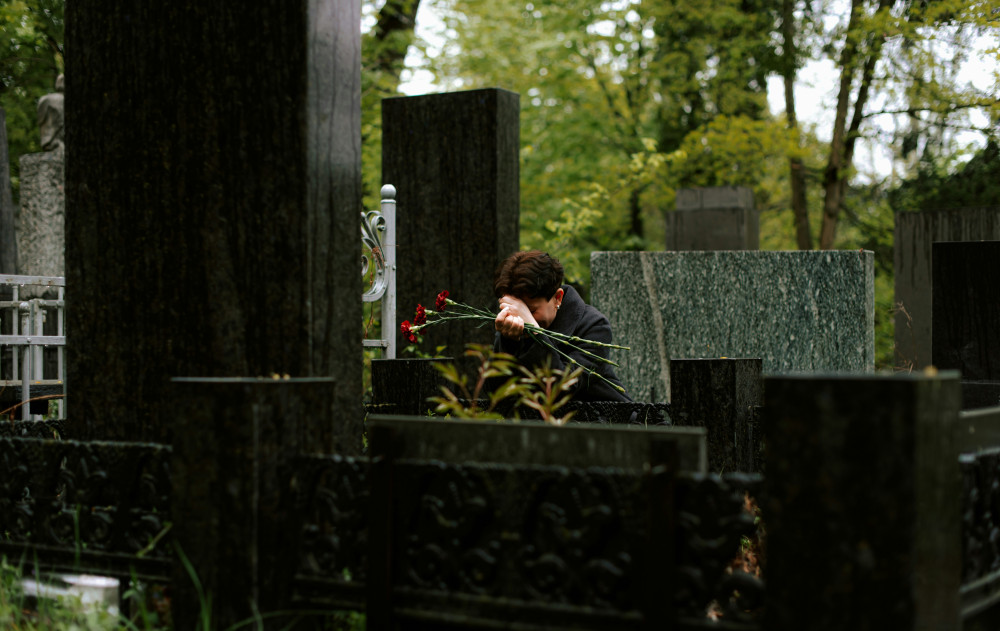
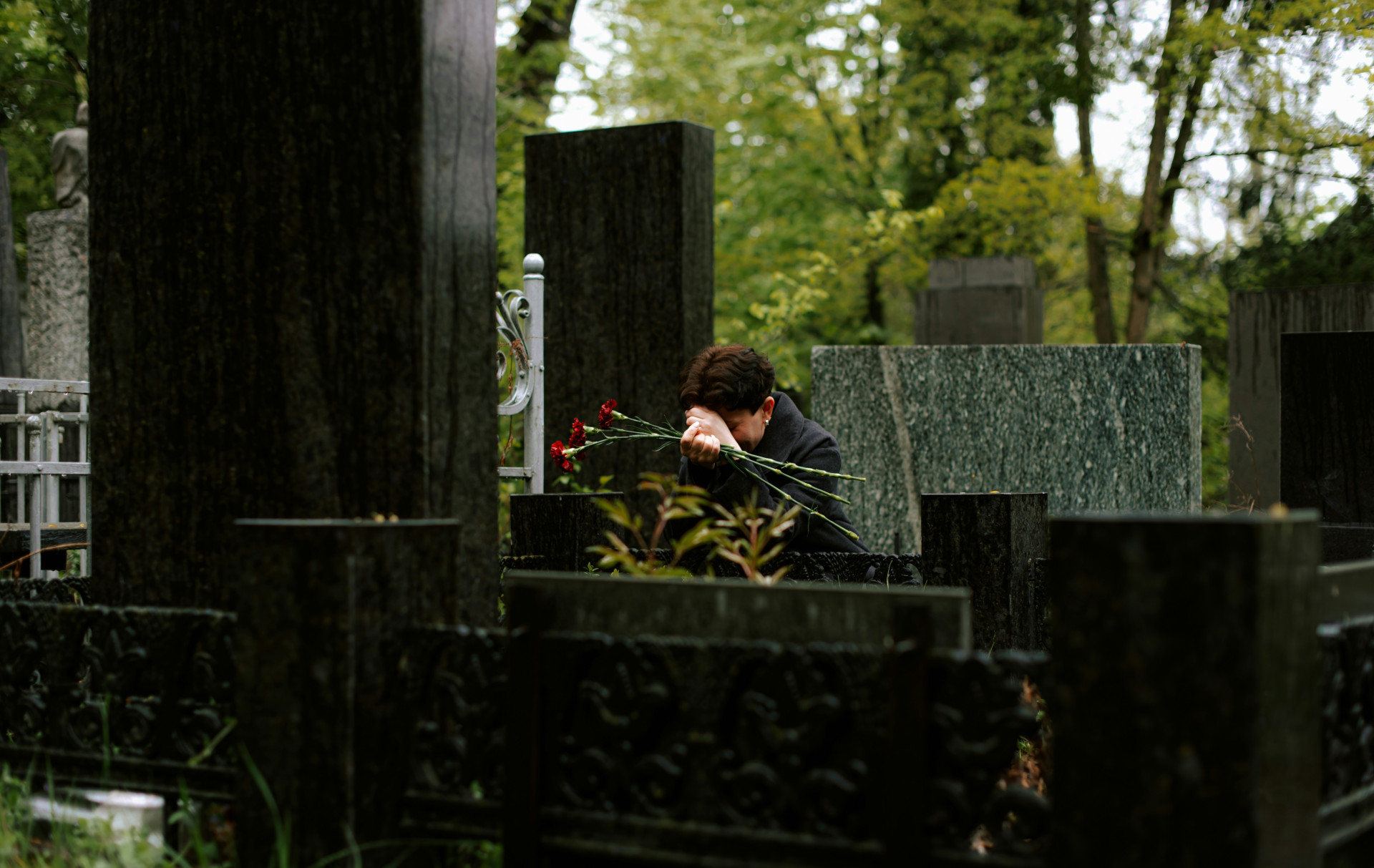
Visiting a gravesite can be both a quiet pause and an emotional experience. For many, it becomes a space to remember, to breathe, and to feel connected to the person they’ve lost. Simple rituals can bring structure and mindfulness to these moments—turning a visit into something grounding and meaningful. Here are some gentle ways to create your own small graveside rituals.
A Place for Reflection and Calm
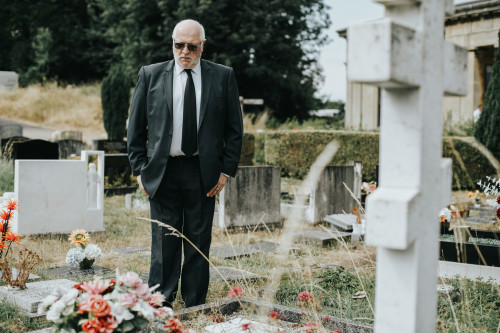
A cemetery is not only a place of mourning but also one of reflection. Taking time to visit can bring a sense of continuity and peace. It’s a way to honor memories while finding comfort in the rhythm of life moving forward.
Sitting on a nearby bench, taking a few deep breaths, and letting your thoughts settle can itself be a ritual. Some people use the visit as a form of meditation—a moment outside the rush of daily life to simply be present.
Simple Gestures with Deep Meaning
Rituals don’t have to be elaborate or formal. Often, it’s the small, repeated gestures that carry the most meaning over time.
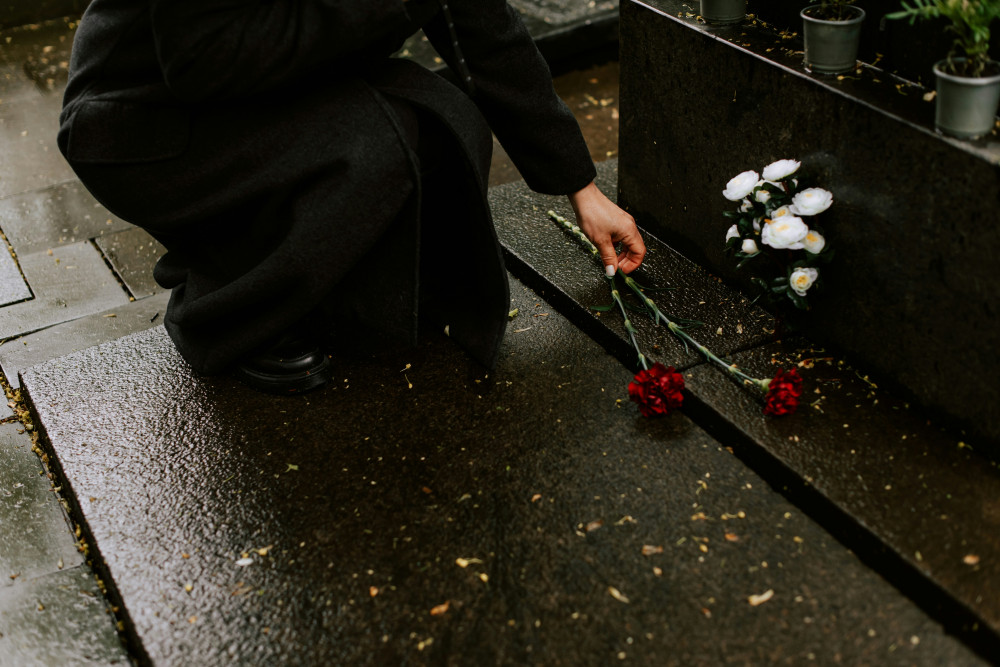
- Leave a flower or a small stone – a quiet sign that you’ve been there, that the person still holds a place in your life.
- Light a candle or solar lantern – especially in the darker months, a small light can symbolize warmth, hope, and remembrance.
- Tend the grave – brushing away leaves, straightening flowers, or cleaning the marker can feel like an act of care and love.
- Read a poem or a prayer – whether spoken aloud or silently, words can bring comfort and connection.
- Write a note or thought – a short message, a memory, or even a silent intention can help express what’s in your heart.
What matters most is not what you do, but that the act feels genuine and meaningful to you.
Læs også:

Creating Personal Traditions
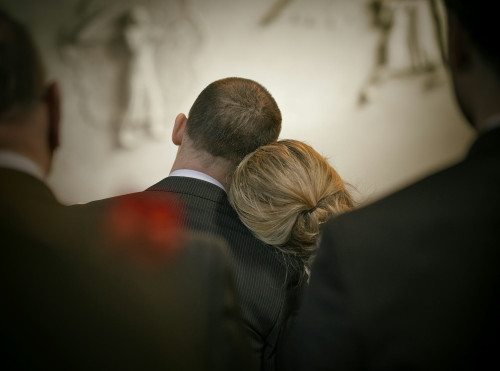
Many people find comfort in marking special days—birthdays, anniversaries, or holidays—with a visit. It can be a way to keep the bond alive and to bring rhythm to the process of grief. Some prefer to come alone, while others bring family or friends to share the moment.
You can also create rituals that reflect the person you’re remembering. If they loved gardening, bring a flower from your yard. If they enjoyed music, play a favorite song quietly on your phone. These small, personal touches make the ritual uniquely yours and keep the memory connected to who they were.
When Words Fall Short
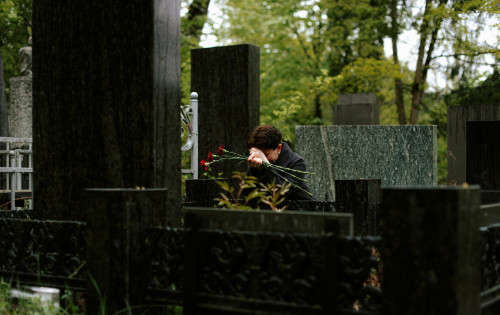
Sometimes, words simply aren’t enough. In those moments, silence can be its own form of communication. Standing still, feeling the breeze, listening to the birds, and just being present can say more than any speech.
If you find it hard to settle, focus on your breathing. Inhale slowly, exhale gently, and let go of tension with each breath. This simple act can help you feel grounded and at peace.
A Living Memory
A gravesite is not only a place of farewell—it’s also a place of life and continuity. Many people find that regular visits bring a sense of ongoing connection. Memories don’t fade; they evolve.
By creating small rituals, you keep the memory alive in a way that feels right for you. It might be a quiet moment, a whispered thought, or a feeling of gratitude. What matters is presence—being there with calm, respect, and love.
Læs også: