What Is the Difference Between a Cremation and a Burial?

What Is the Difference Between a Cremation and a Burial?
When a loved one passes away, one of the first decisions their family must make is how to say goodbye. In the United States, the two most common options are a burial and a cremation. Both serve as meaningful ways to honor and remember the deceased, but they differ in process, symbolism, and practical considerations. Here’s an overview to help you understand what each option involves.
What Is a Burial?
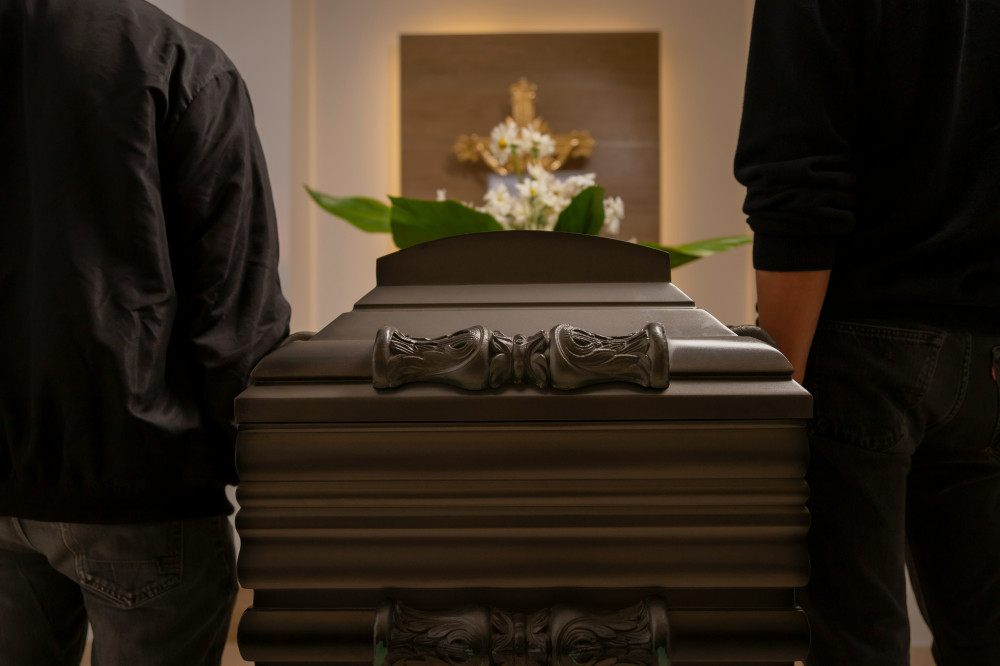
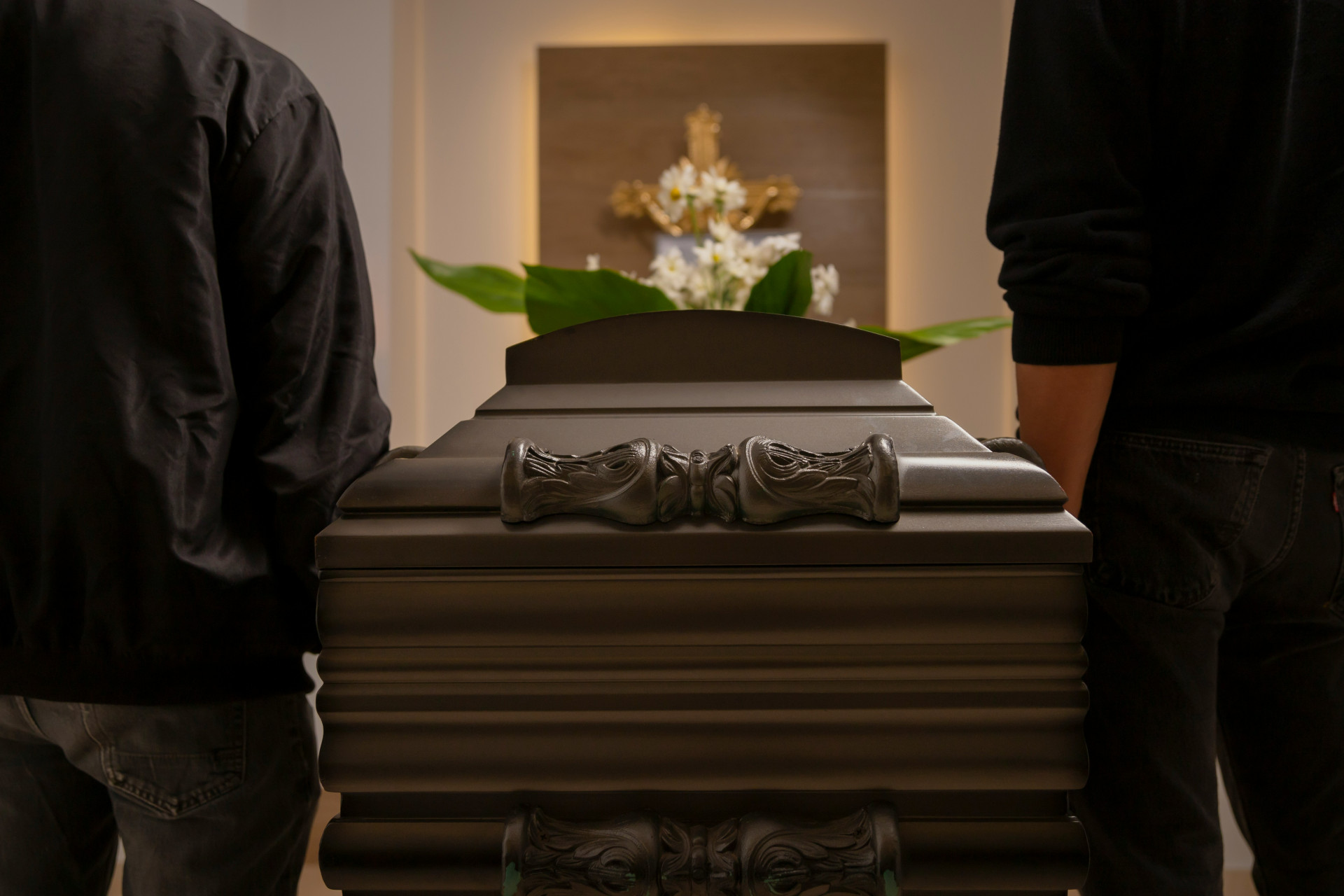
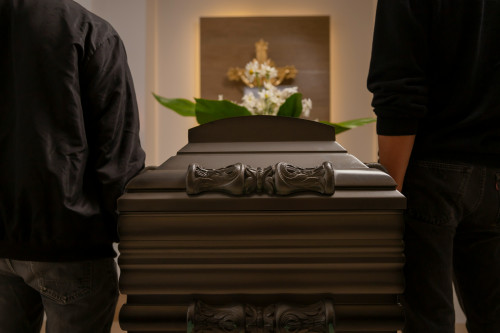
A burial involves placing the body, in a casket, into the ground at a cemetery. This is the most traditional form of final disposition in the U.S. and is often accompanied by a funeral service, which may take place in a church, funeral home, or graveside. After the service, family and friends gather as the casket is lowered into the grave, sometimes with prayers, readings, or symbolic gestures such as placing flowers or soil on the casket.
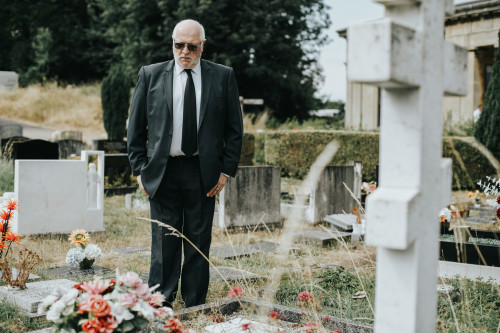
Many families choose burial because it provides a permanent resting place that can be visited. Burial plots can be individual, companion, or family plots, and cemeteries often offer a range of options, from traditional headstones to memorial gardens.
What Is a Cremation?
Cremation is the process of reducing the body to ashes through high heat. The cremation may take place after a funeral service or before a memorial service, depending on the family’s wishes. The ashes, often called “cremated remains,” are then placed in an urn.
Families have several choices for what to do with the ashes. They can be buried in a cemetery, placed in a columbarium niche, kept at home, or scattered in a meaningful location—such as at sea or in a favorite natural setting—if permitted by local laws. Cremation offers flexibility in timing and location, which can be comforting for families who need more time to plan a memorial.
Differences in Ceremony and Symbolism
While both burial and cremation can include religious or secular ceremonies, the tone and symbolism can differ.
- Burial often provides a sense of closure, as loved ones witness the casket being lowered into the ground. The physical presence of a gravesite can be a source of comfort and a place for ongoing remembrance.
- Cremation can feel more open-ended. The service may take place before or after the cremation, and the final placement of the ashes can happen days or weeks later. This flexibility allows families to personalize the farewell in ways that reflect the deceased’s life and wishes.
Both options can include music, readings, eulogies, and personal touches that celebrate the individual’s life and values.
Læs også:


Practical and Financial Considerations
There are also practical differences that may influence the decision:
- Cost: Cremation is generally less expensive than burial because it does not require a burial plot, casket, or headstone, though costs vary depending on the services chosen.
- Space and maintenance: Burial requires a physical plot that may need ongoing care, while cremation can reduce the need for long-term maintenance.
- Timing: A burial typically happens soon after death, while cremation allows more flexibility in scheduling memorial services.
It’s a good idea to discuss options with a funeral director, who can explain local regulations, costs, and available services.
How to Decide What’s Right for You or Your Loved One
The choice between cremation and burial is deeply personal. Some people decide based on religious or cultural beliefs, while others focus on environmental impact, cost, or personal preference. Many Americans now record their wishes in advance—through a will, pre-need plan, or written statement—so their families don’t have to make the decision during a difficult time.
What matters most is that the farewell feels meaningful and respectful. Whether through burial or cremation, the ceremony provides an opportunity to honor a life, share memories, and find comfort in the presence of family and friends.
A Meaningful Farewell in Any Form
Both cremation and burial offer dignified ways to say goodbye. Neither is inherently better than the other—it’s about what feels right for the individual and their loved ones. By understanding the differences, families can make a choice that reflects their values, traditions, and the wishes of the person they are remembering.
Læs også: