Inclusion in Practice: When Every Child Finds Their Place in the Community

Inclusion in Practice: When Every Child Finds Their Place in the Community
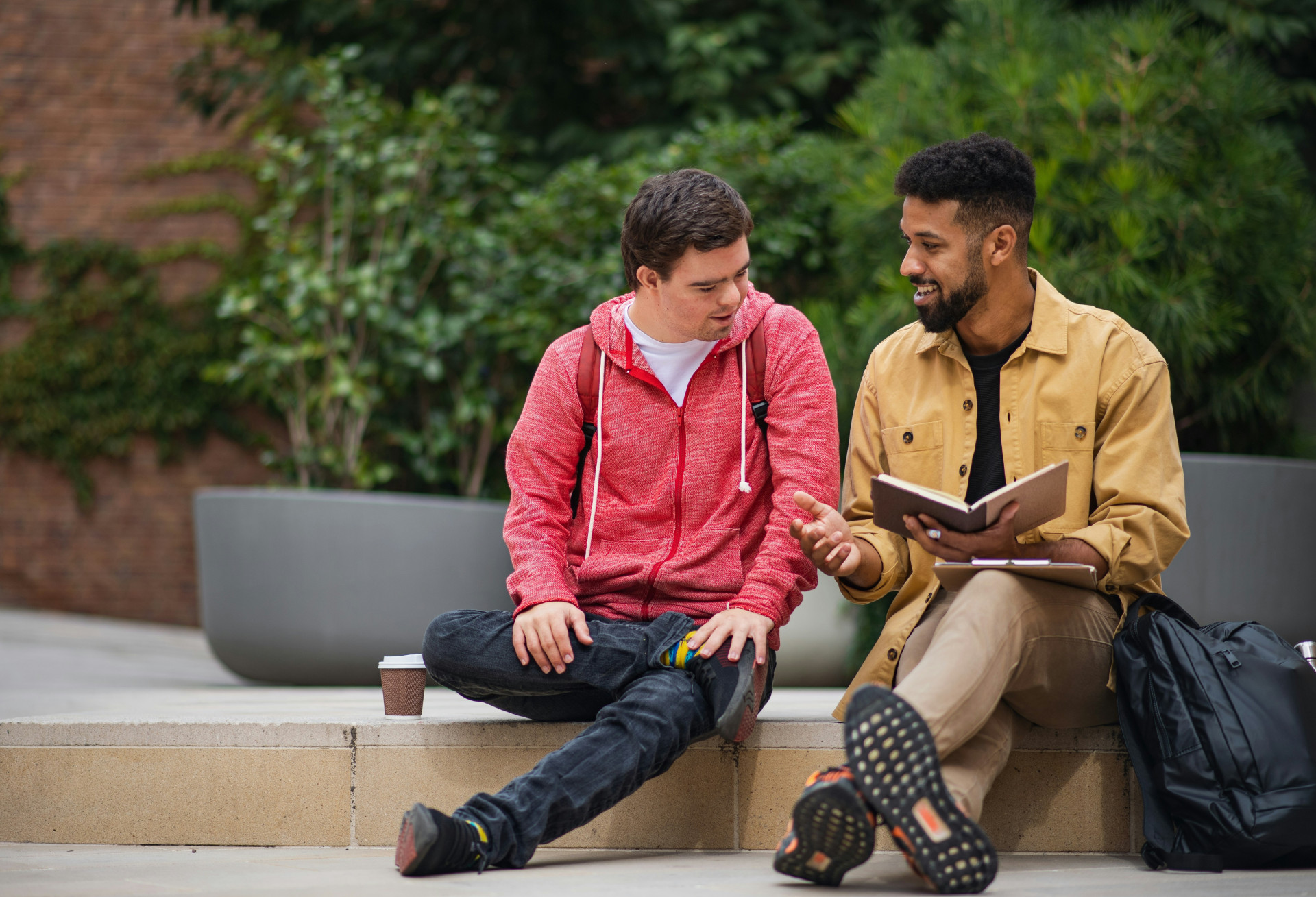
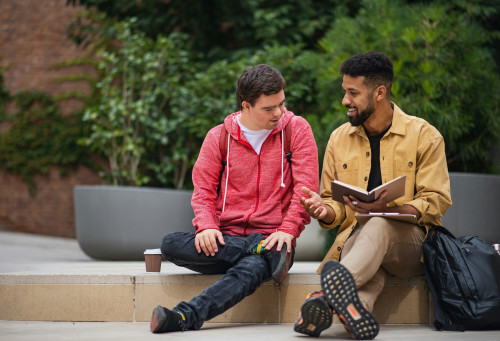
Inclusion has become one of the most discussed topics in American education today. But what does it really mean in practice—and how do we create communities where every child feels seen, heard, and valued? Inclusion is not just about placing all children in the same classroom; it’s about building environments where differences are recognized as strengths and where every child can participate in meaningful ways.
From Vision to Everyday Reality
For many teachers and caregivers, inclusion can feel challenging in the midst of a busy school day. It takes time, teamwork, and intentional effort to create a setting where all children thrive—including those with disabilities, learning differences, or behavioral challenges.
Inclusion begins with a mindset: the belief that every child has something valuable to contribute. When adults approach children with curiosity rather than judgment, new possibilities open up. It’s about looking beyond behavior and asking, What is this child trying to communicate? instead of simply reacting to what we see on the surface.
Læs også:

Building Community as the Foundation
An inclusive community doesn’t happen by accident. It requires adults to actively nurture relationships—between children, and between children and adults. Small gestures can make a big difference: greeting each child by name, maintaining predictable routines, and creating opportunities for children to help one another.
When children feel that they belong, their motivation to participate grows. This can happen through cooperative games, group projects, or classroom discussions where every voice matters. A community becomes strongest when diversity is not treated as a problem to solve, but as a natural and enriching part of the group.
Collaboration Between School, Home, and Specialists
Inclusion works best when everyone around the child moves in the same direction. Teachers, parents, and specialists need a shared understanding of the child’s strengths and needs. Open communication and mutual respect are key.
Parents play a central role. When they feel included and listened to, they become active partners in finding solutions. At the same time, educators and specialists can support parents by sharing strategies that help the child succeed both at home and at school. This partnership builds consistency and trust, which are essential for the child’s growth.
Tools for Inclusive Practice
There are many strategies and tools that can support inclusive education. Some of the most effective include:
- Differentiated instruction – Adapt lessons and activities so that all students can engage at their own level and according to their interests.
- Visual supports and structure – Use pictures, schedules, and clear routines to help children understand what to expect.
- Positive and affirming communication – Focus on what works, and give feedback that builds confidence and self-esteem.
- Collaborative problem-solving – Involve the child in finding solutions when challenges arise. This fosters ownership and motivation.
- Team reflection and planning – Set aside time for staff to discuss challenges and share experiences. Inclusion is a team effort, not a solo task.
When Inclusion Feels Difficult
There will always be moments when inclusion feels like an uphill climb. Some children need more support than the current setting can easily provide. It’s important to remember that inclusion doesn’t mean every child must do the same thing in the same way—it means every child should have a meaningful place in the community.
Seeking help from outside professionals is not a sign of failure but of responsibility. Collaboration with school psychologists, special educators, or counselors can bring new perspectives and tools that strengthen both the child and the group.
A Culture That Embraces Everyone
Inclusion is not a short-term initiative—it’s a culture that must be lived every day. When children grow up in environments where differences are accepted and valued, they learn empathy, respect, and cooperation. These are the qualities that shape compassionate citizens and strong communities.
Creating space for every child is, ultimately, about building a society where everyone feels they belong. It starts in the classroom, on the playground, and in those small everyday moments when a child is met with a smile and an open door.
Læs også: