Learning with Technology: When Art, Music, and Media Come Together at Home

Learning with Technology: When Art, Music, and Media Come Together at Home
In many American homes, technology has become more than a tool for work or entertainment—it’s a gateway to creativity, learning, and connection. When families explore digital tools together, art, music, and media can merge in ways that spark imagination, collaboration, and a deeper understanding of the world around us.
This article explores how technology can bridge play and learning—and how families can create inspiring home environments where creativity and digital literacy grow side by side.
Creativity in a Digital Age
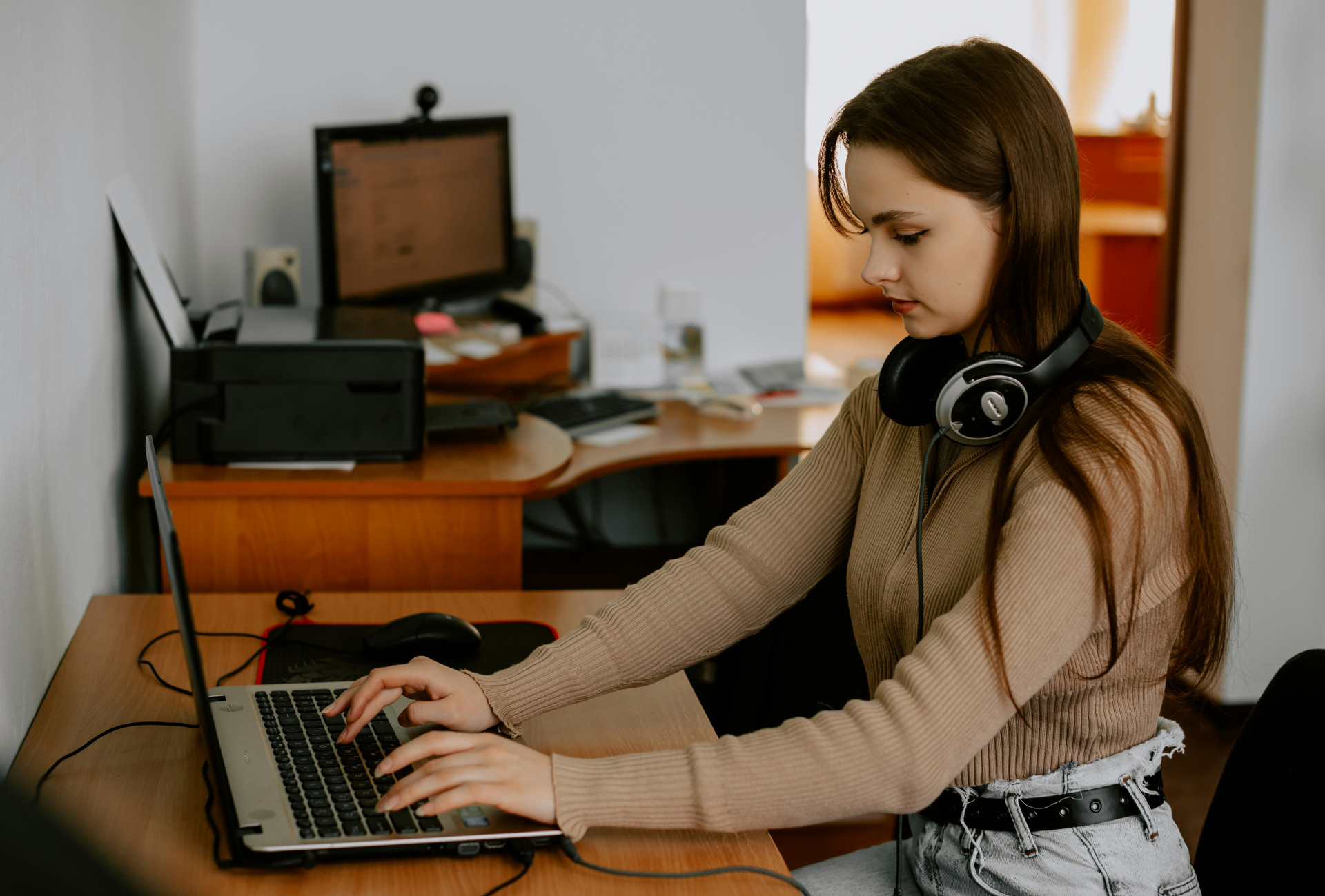
Creativity has always been central to learning, but digital tools have expanded what’s possible. Today, children can compose music on tablets, design animations with simple apps, or create posters and short films on a laptop.
The goal isn’t to replace paintbrushes, instruments, or paper—it’s to open new paths for expression. When a child records their own voice, adds sound effects, and edits short video clips, they’re learning about storytelling, rhythm, and aesthetics while also developing technical skills.
For many parents, it can be eye-opening to see technology not as a passive screen but as a creative instrument that encourages exploration and self-expression.
Music and Sound as Learning Tools
Music is one of the most engaging and accessible ways to learn. With digital tools, kids can experiment with rhythm, record their own melodies, or remix existing sounds.
There are countless free and easy-to-use programs that let children build songs layer by layer—teaching them about structure, timing, and teamwork. When kids compose together, they practice patience and learn to listen to one another.
Even simple activities, like recording nature sounds on a walk and turning them into a soundscape, can heighten awareness of the environment and inspire curiosity.
Læs også:


Media as a Shared Learning Space
Digital media can also serve as a platform for shared reflection. When families watch a documentary, play an educational game, or explore an online museum together, it opens the door to conversations about history, culture, ethics, and technology.
The key is to use media actively—not just as entertainment, but as a starting point for dialogue. Ask questions like: What did we learn? What surprised us? How does this connect to our daily lives?
In this way, screen time becomes part of a shared learning culture rather than an isolated activity.
Creating a Creative Learning Environment at Home
A home where technology and creativity thrive doesn’t require expensive equipment. It’s more about curiosity and openness. Here are a few simple ways to get started:
- Start a family project – create a digital family film, a podcast, or a photo story together.
- Explore free learning apps – many museums, libraries, and educational organizations in the U.S. offer digital resources for families.
- Balance digital and hands-on activities – mix screen-based projects with drawing, building, singing, and outdoor play.
- Talk about technology – discuss how digital tools shape the way we learn, create, and connect.
When children see that technology can be used to make something meaningful, they build both confidence and critical thinking skills.
Learning as a Shared Experience
When art, music, and media come together at home, learning becomes a shared experience rather than a solitary task. It strengthens relationships and creates space for both focus and play.
Technology can’t replace human connection, but it can expand the ways we express ourselves and understand one another. Ultimately, it’s about using digital tools to build bridges—between generations, ideas, and emotions.
So the next time the screen lights up, it might just be the start of a new family project—one where learning, creativity, and technology come together in harmony.
Læs også: