Why Is Education Important? Conversations That Open Up New Opportunities


Why Is Education Important? Conversations That Open Up New Opportunities
Education is one of the most powerful tools we have to shape our lives and our communities. It teaches us how to read, write, and think critically—but it also helps us understand the world, connect with others, and believe in our own potential. In a country like the United States, where access to education is often taken for granted, it’s worth pausing to ask: Why is education so important, and how can conversations about learning open new doors—for children, teens, and adults alike?
More Than Grades and Tests
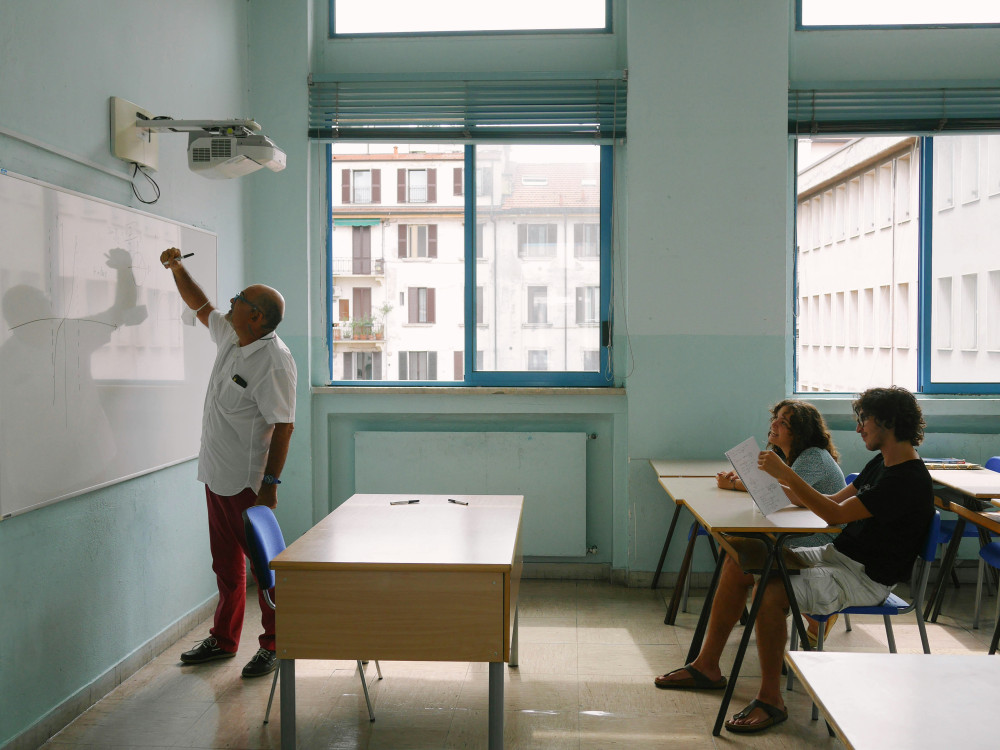
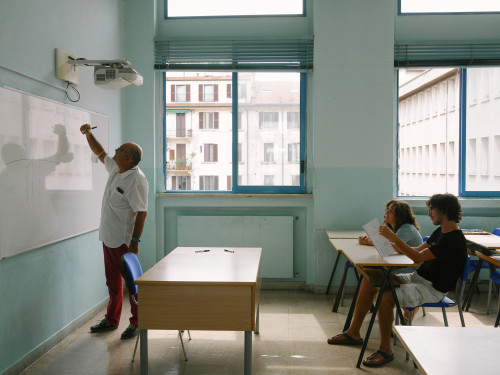
When people think about school, they often picture classrooms, homework, and report cards. But education is much more than that. It’s a social and cultural experience that helps young people learn how to navigate the world. In school, students meet peers from different backgrounds, learn to collaborate, and develop empathy and responsibility.
School is also where many children discover their strengths and passions. A teacher who recognizes a student’s potential can make a lasting difference in how that student sees themselves and their future. Sometimes, a single encouraging word or a moment of understanding can change the course of a life.
Læs også:


Conversations That Make a Difference
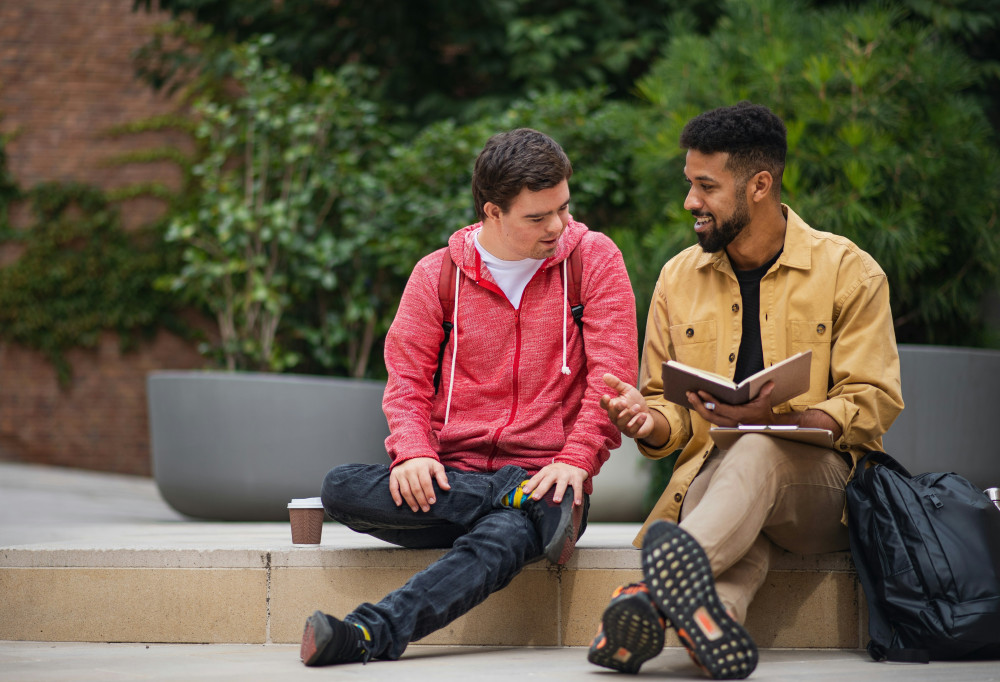
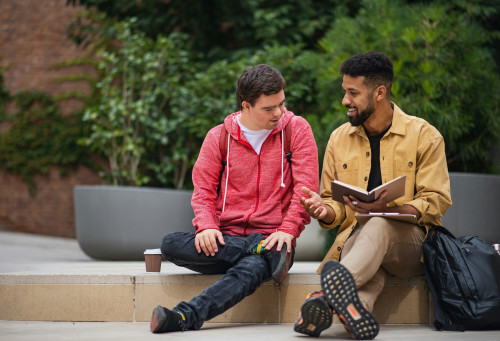
Some of the most meaningful parts of education happen outside the classroom—in the conversations that surround it. When parents, guardians, or mentors take time to ask about a child’s day and show genuine interest, it strengthens motivation and confidence. These conversations aren’t about checking homework; they’re about building trust and curiosity.
- Ask with curiosity: Instead of “How was school today?”, try “What was the most interesting thing you learned?”
- Listen without judgment: Some days are tough, and it’s important for children to feel heard—even when things don’t go perfectly.
- Share your own experiences: Talk about a time you learned something new or overcame a challenge. It helps make learning feel like a shared journey.
These small moments of dialogue can spark reflection about the future, personal goals, and the joy of learning itself.
Education as a Pathway to Opportunity
Education opens doors—to jobs, to independence, and to participation in society. In today’s fast-changing world, where technology and knowledge evolve rapidly, the ability to keep learning is essential. A strong education doesn’t just prepare people for a career; it prepares them to adapt, think critically, and engage with the world around them.
For many young Americans, school is the first place where they realize they can shape their own future. That realization often comes when they encounter adults—teachers, coaches, mentors—who believe in them and help them see that their effort matters.
A Shared Responsibility
Education is not just the responsibility of schools; it’s a partnership among families, educators, and communities. When these groups work together, students thrive. It takes trust, communication, and respect for each other’s roles.
Parents can support learning by showing interest, creating a positive environment for study, and speaking about school in encouraging ways. Teachers can involve families as partners in a child’s growth. And communities can advocate for equitable resources so that every child, regardless of background, has a fair chance to succeed.
Learning Never Ends
Even after formal schooling ends, learning continues. In a world where careers and technologies are constantly evolving, lifelong learning is more important than ever. Education should be seen not as a phase that ends with graduation, but as the beginning of a lifelong journey.
When we talk with children about learning as something exciting and meaningful, we plant the seeds of curiosity that can last a lifetime. In the end, education isn’t just about passing tests—it’s about opening doors: to knowledge, to connection, and to new possibilities.
Læs også: