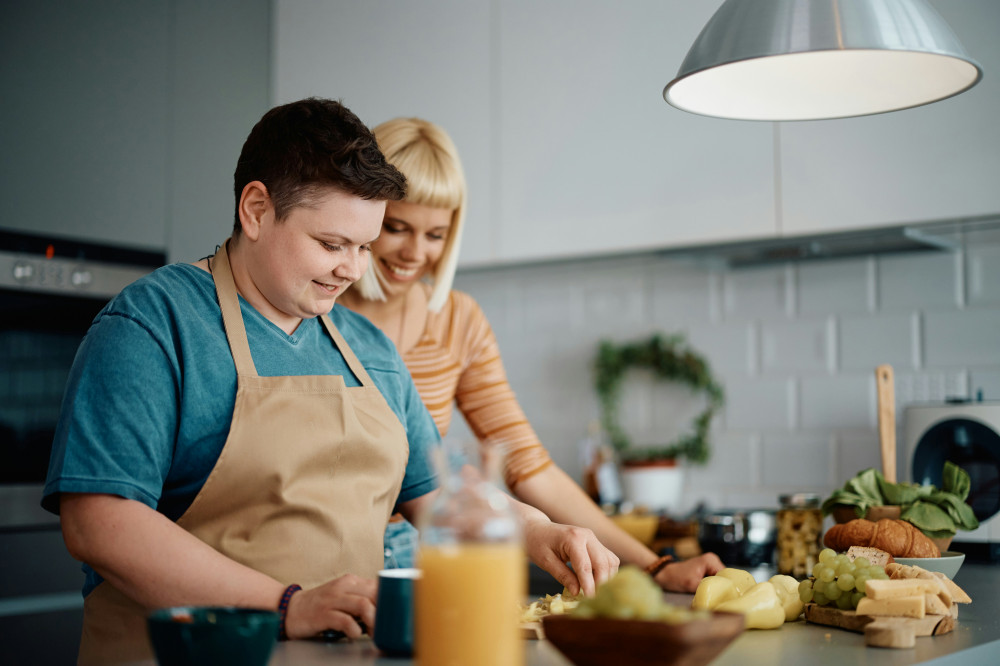
Let the Kids Loose in the Kitchen – Turn Cooking into a Creative Game

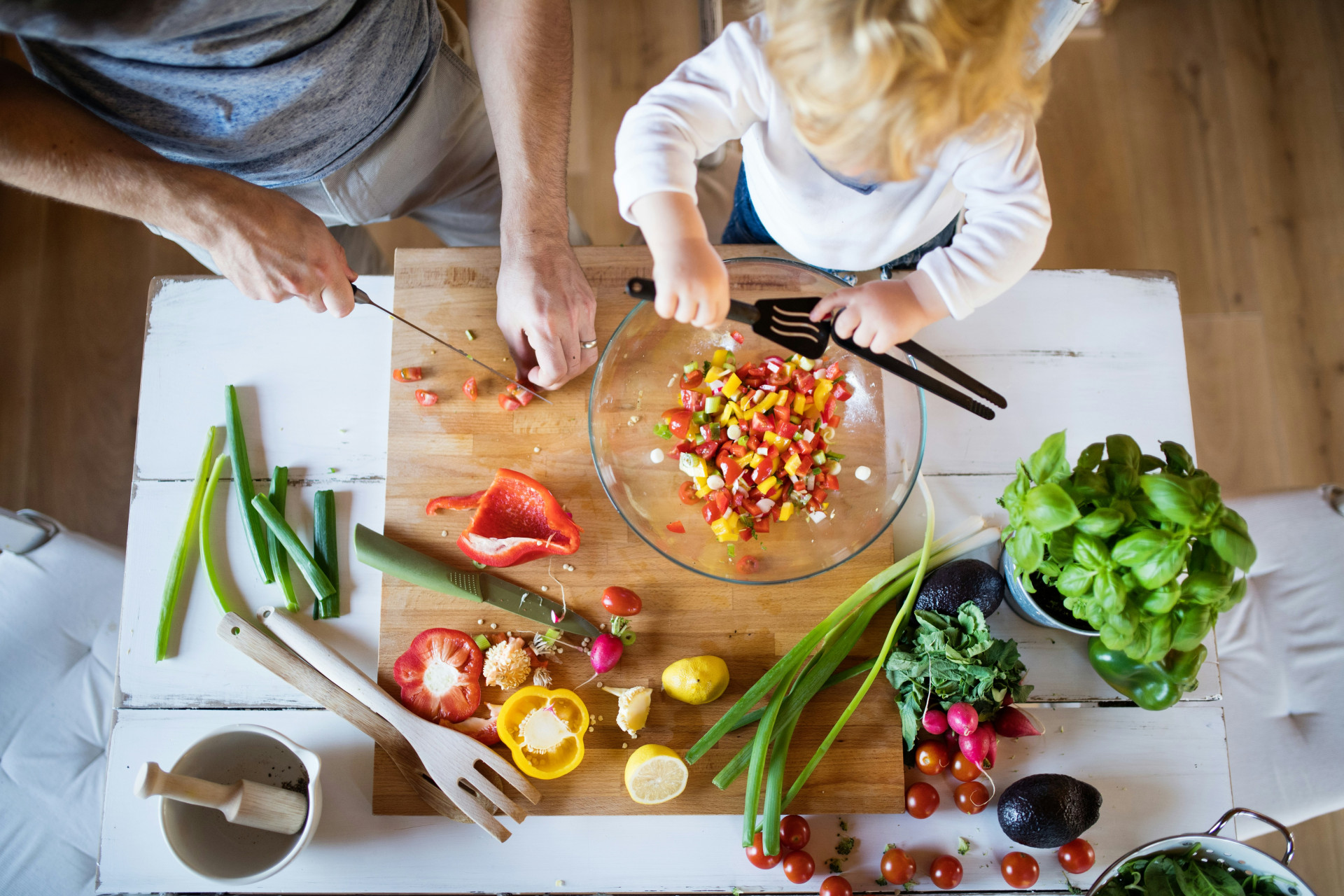
Let the Kids Loose in the Kitchen – Turn Cooking into a Creative Game
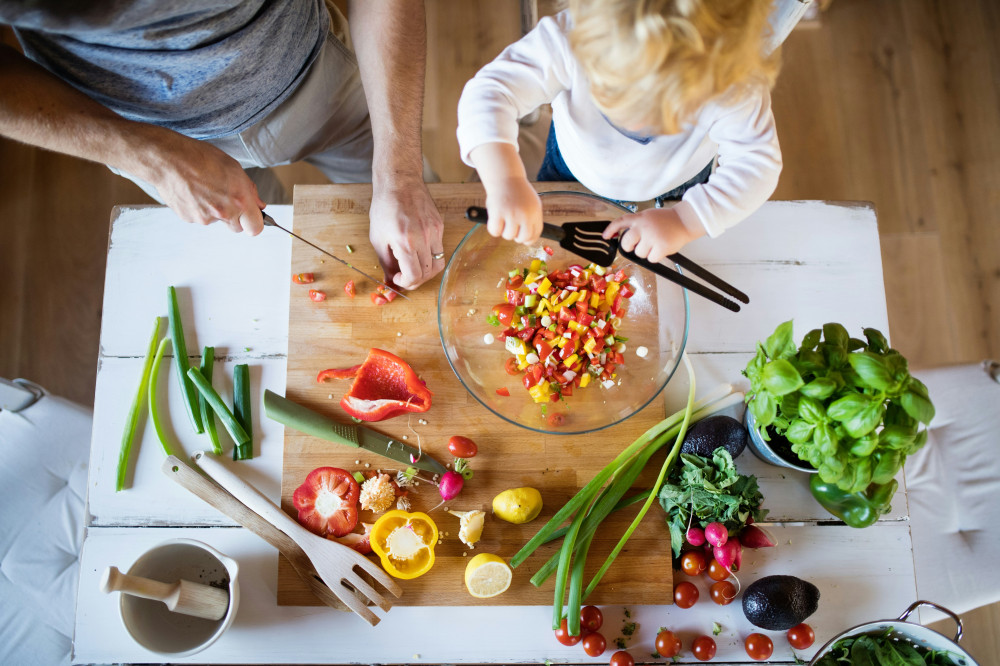
Cooking can be so much more than a daily chore – it can be playtime, a learning lab, and a shared family adventure. When kids are invited into the kitchen, they gain not only practical skills but also creativity, confidence, and an appreciation for where their food comes from. Here’s how to make your kitchen a fun and safe playground for young chefs of all ages.
Why Kids Belong in the Kitchen
Letting kids help with cooking isn’t just about getting an extra pair of hands. It’s about giving them a sense of responsibility and connection to everyday life. Children who take part in preparing meals often develop a healthier relationship with food and become more curious about new flavors and ingredients.
Cooking also builds fine motor skills, focus, and teamwork. Stirring batter, chopping soft veggies, or setting the table all require coordination and patience – skills that go far beyond the kitchen.
Keep It Fun – Not Perfect
When kids cook, the goal isn’t perfection; it’s participation. It’s okay if the cookies come out uneven or a little flour ends up on the floor. In fact, those messy moments are where the best learning happens.
Turn cooking into a game: play “restaurant,” let the kids name their dishes, or hold a friendly family bake-off. The more ownership they feel, the more excited they’ll be to eat what they’ve made.
Choose recipes that show quick, visible results – like mini pizzas, fruit kabobs, or pancakes. Seeing their creations come to life gives kids a sense of accomplishment and encourages them to try more.
Match Tasks to Age and Ability
Every child can take part in the kitchen – it’s just a matter of finding the right tasks for their age and skill level.
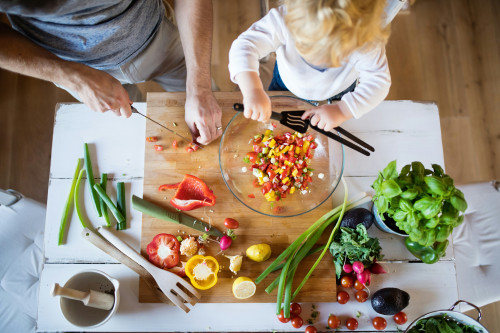
- Toddlers (2–4 years): Can wash produce, stir ingredients, pour pre-measured items, and decorate cupcakes.
- Younger kids (5–8 years): Can cut soft foods with a child-safe knife, measure ingredients, and help set the table.
- Older kids (9 and up): Can follow simple recipes, use the stove or oven with supervision, and take charge of a full dish.
The key is to create a safe, encouraging environment where kids can experiment freely – and where mistakes are seen as part of the fun.
Learn Through Play
The kitchen is a perfect place to explore everything from science and culture to sustainability. Talk about where ingredients come from, why seasonal produce tastes better, or how yeast makes dough rise. Encourage kids to smell, taste, and guess ingredients – it sharpens their senses and builds food awareness.
You can also involve them in planning: make a weekly meal plan together or bring them grocery shopping. It helps them understand how meals come together and gives them pride when their ideas make it to the dinner table.
Læs også:
Build Healthy Habits for Life
When kids learn to cook, they gain skills that last a lifetime. They become more independent, develop respect for ingredients, and discover that cooking can be both fun and meaningful.
Cooking together also strengthens family bonds. It turns mealtime into a shared project where everyone contributes – and that makes even busy weeknights feel a little warmer.
So next time you’re in the kitchen, hand your kids a bowl, a spoon, and a little patience. Watch as cooking transforms from a routine task into a joyful, creative game.
Læs også: