Madro: Find Balance in Everyday Life Through Your Meals

Madro: Find Balance in Everyday Life Through Your Meals
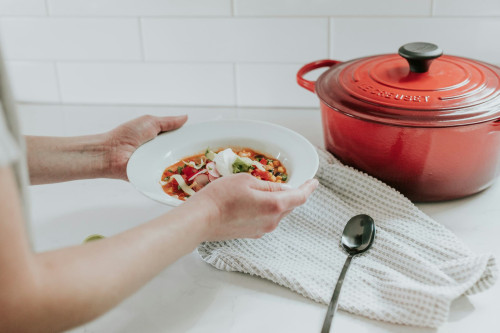
In a busy American lifestyle, meals often become a matter of logistics: What’s for dinner? When will it be ready? Who’s picking it up? But food is more than fuel — it’s a moment of connection, a pause in the day, and a chance to find calm. The Danish concept of madro — literally “food calm” — is about creating a peaceful, mindful atmosphere around meals so they become a source of well-being rather than stress.
What Is Madro?
Madro isn’t just about silence at the table. It’s about presence — eating without rushing, without distractions, and with attention to both the food and the people around you. When we eat calmly, our bodies have time to register fullness, digestion improves, and we enjoy our meals more deeply.
Madro can look different for every household. For some, it means turning off the TV and putting phones away. For others, it’s about lighting a candle, playing soft music, or taking time to talk. The common goal is to make mealtime a pause in the day — a moment to slow down and reconnect.
Setting the Scene for Calm
Creating madro doesn’t require a lifestyle overhaul. Small changes can make a big difference. Start with the basics:
- Establish a rhythm. When meals happen at roughly the same times each day, your body and mind know what to expect — and that predictability brings calm.
- Set the table with care. Even a simple meal feels special when the table looks inviting.
- Turn off screens. Phones, TVs, and tablets pull attention away from the moment. Make it a family rule: no screens at the table.
- Allow time. Plan meals so there’s no need to rush off immediately afterward. Give yourself permission to linger.
When the environment is calm, it’s easier for everyone — adults and kids alike — to be present.
Madro for Families
For families with children, calm meals can feel like a fantasy. But this is where madro can make the biggest difference. Kids learn through repetition and atmosphere. When mealtime feels safe and connected, they develop a healthy relationship with food.
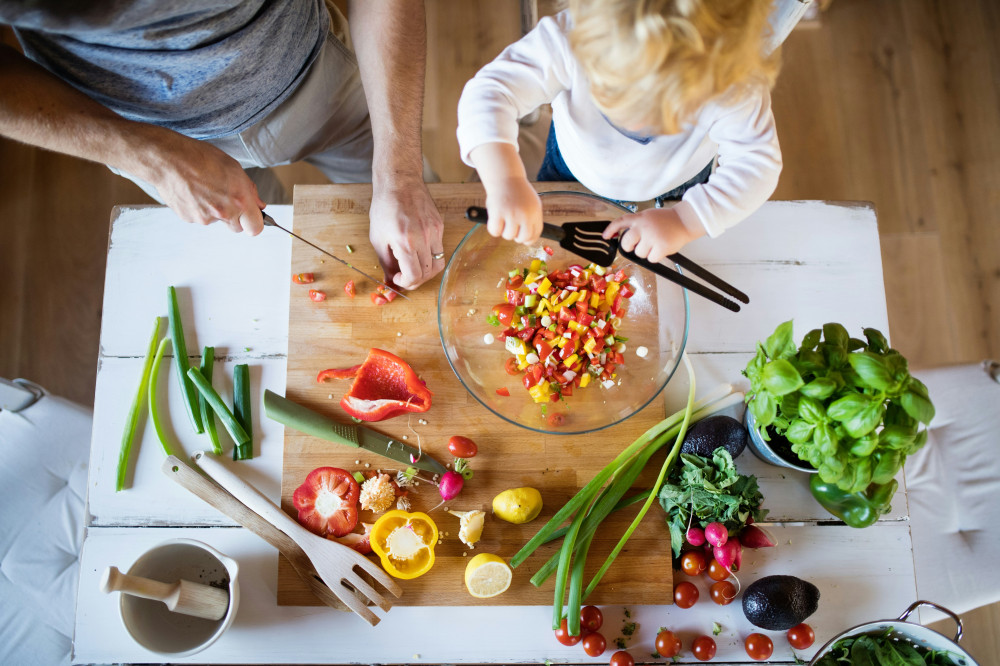
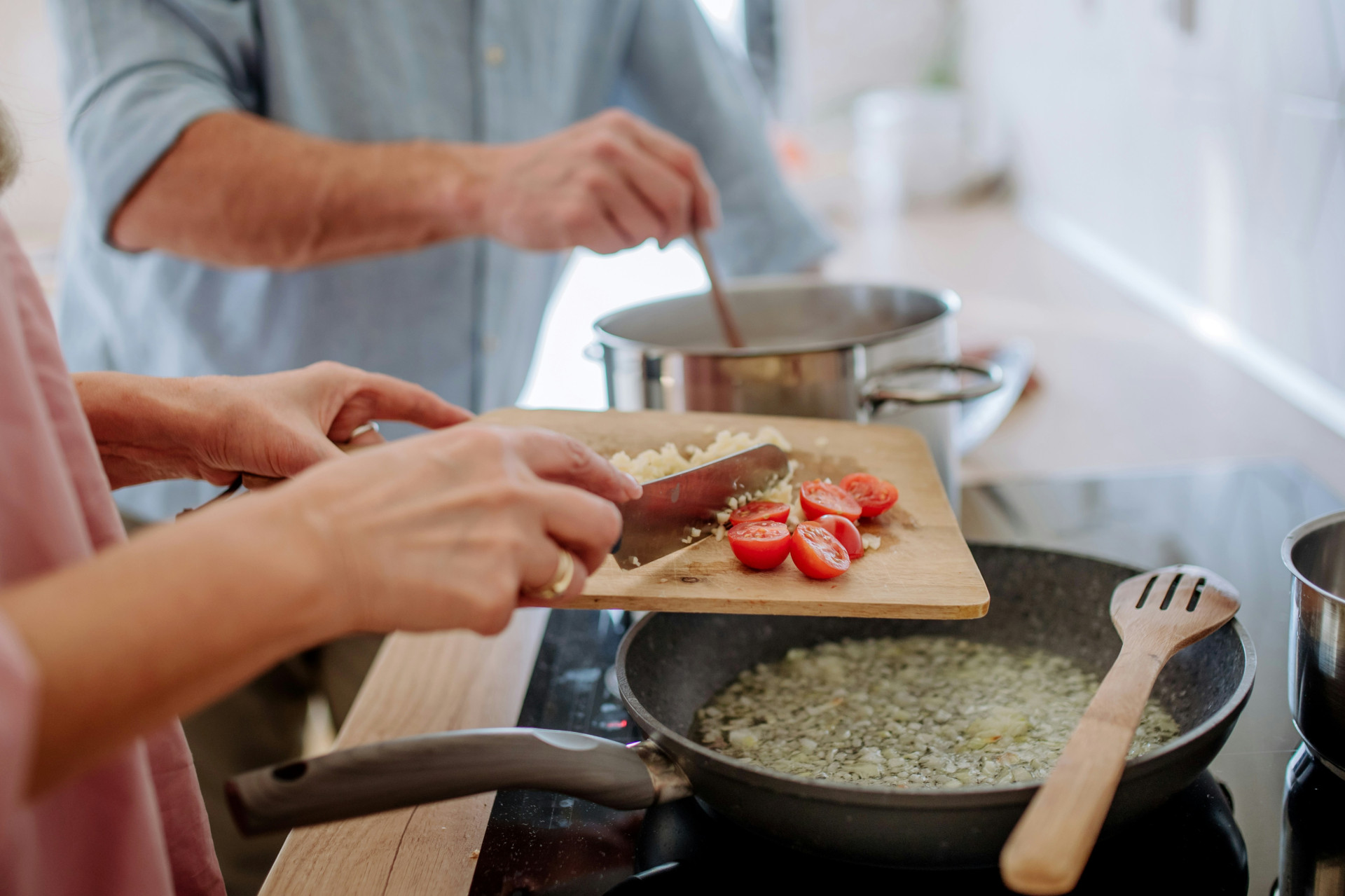
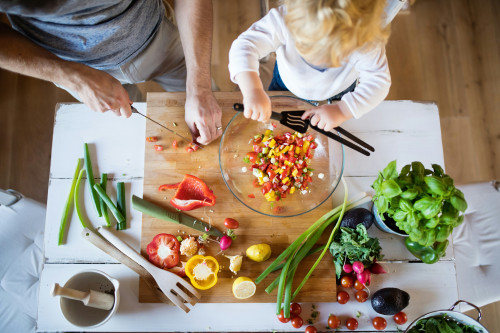
- Involve the kids. Let them help set the table, stir the pot, or choose a vegetable. Participation builds ownership and curiosity.
- Avoid pressure. Don’t force kids to clean their plates or try everything. Madro is also about respecting appetite and boundaries.
- Talk together. Use mealtime to share stories from the day — not to lecture or discuss chores.
When everyone feels heard and relaxed, calm naturally follows.
Eat With Your Senses
Madro is also about mindful eating — slowing down and paying attention to the sensory experience of food. Notice how it smells, tastes, and feels. Take smaller bites, put your fork down between them, and check in with your body to see when you’re satisfied.
It sounds simple, but this awareness can transform how you eat. Food becomes not just something you consume, but something you experience.
Læs også:
Madro as an Antidote to Modern Life
In a culture that prizes productivity and constant motion, mealtime can be one of the few moments to truly pause. Creating madro isn’t just about nutrition — it’s about mental balance.
When you sit down and eat calmly, you send your body a signal: it’s time to rest. That small act can lower stress, improve digestion, and bring a sense of grounding to your day.
A Small Investment in Everyday Joy
Madro doesn’t demand perfection — only intention. It’s not about elaborate meals or long dinners every night, but about creating small islands of calm and connection.
When we eat with awareness, food becomes more than a task to check off. It becomes a source of joy, togetherness, and balance.
Finding madro is, in many ways, finding yourself — one mindful bite at a time.
Læs også: