Playing with Textures: How to Combine Ingredients to Create Exciting Dishes

Playing with Textures: How to Combine Ingredients to Create Exciting Dishes
When we cook, we often focus on flavor—sweet, salty, sour, or savory. But texture plays just as big a role in how we experience food. The contrast between creamy and crunchy, soft and crisp, smooth and coarse is what makes a dish memorable. Playing with textures is about creating balance and surprise—it doesn’t require fancy techniques, just a bit of awareness of how ingredients interact.
Why Texture Matters
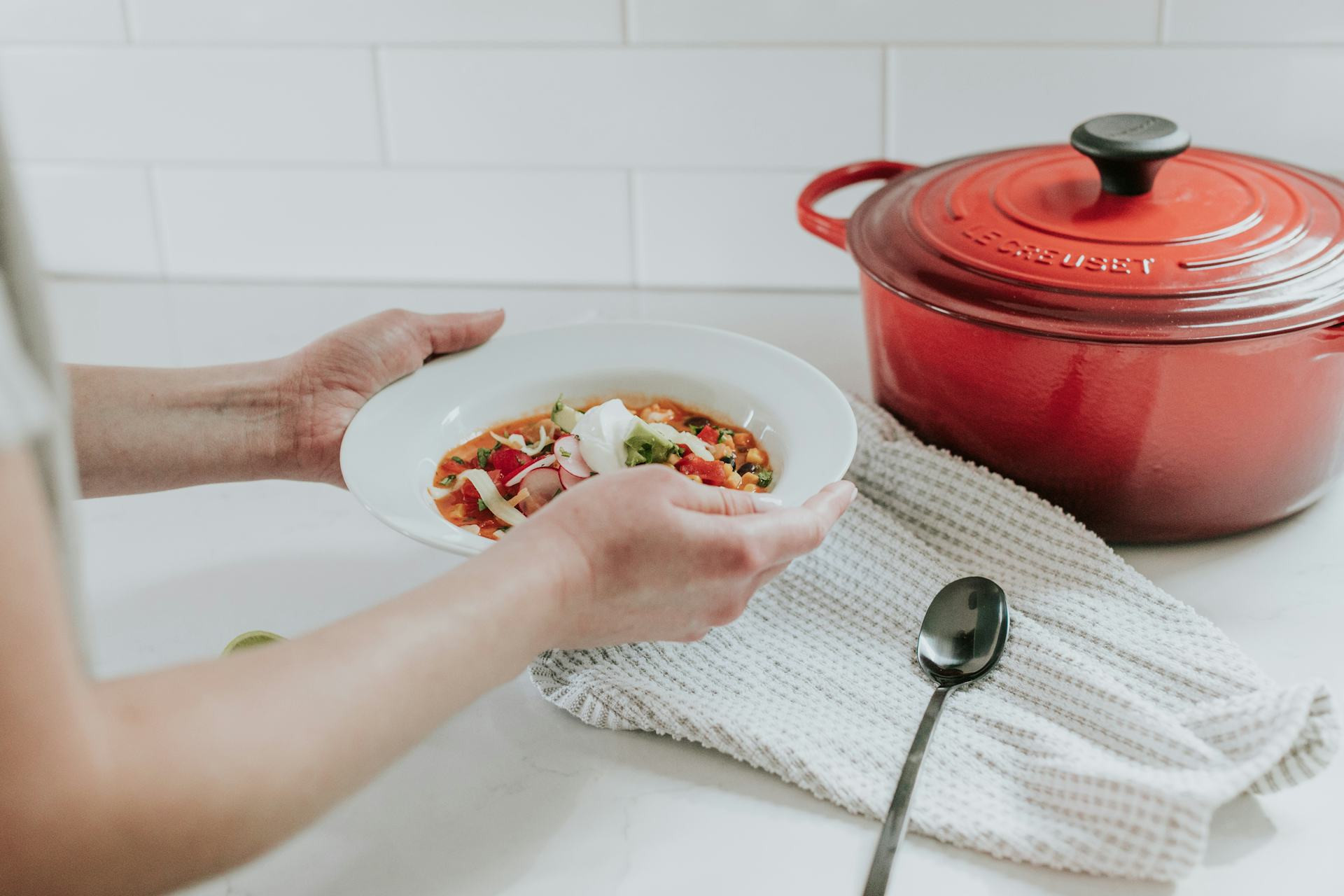
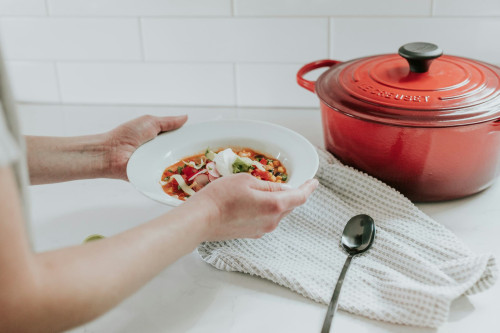
Texture shapes our sensory experience as much as taste and aroma. A dish made up of only soft elements can feel heavy or monotonous, while a mix of textures keeps every bite interesting. Think about the difference between a creamy soup on its own and that same soup topped with crunchy croutons or toasted seeds—suddenly, each spoonful comes alive.
Working with texture is about contrast, but also harmony. Too much crunch can be overwhelming, while too much softness can make a dish feel flat. The magic lies in balance.
Create Contrasts in Your Dishes
A great way to start is by thinking in opposites. What happens when you pair something crisp with something creamy, or something juicy with something dry?
- Crisp and creamy: Top a smooth mac and cheese with toasted breadcrumbs or crispy bacon bits.
- Hot and cold: Serve a warm grain bowl with chilled avocado slices or a dollop of cool yogurt.
- Dry and juicy: Pair a crunchy cracker with a soft cheese or a spoonful of fruit chutney.
- Smooth and coarse: Add chopped herbs or nuts to a silky purée for a satisfying bite.
By layering contrasting textures, you can turn even simple dishes into something that feels thoughtful and dynamic.
Use Cooking Techniques as Tools
Texture isn’t just about what ingredients you choose—it’s also about how you cook them. The same vegetable can have completely different textures depending on whether it’s raw, roasted, steamed, or fried.
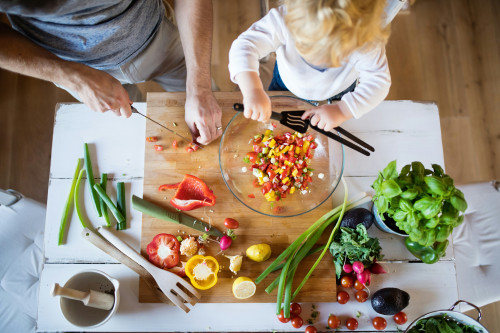
- Raw vegetables bring freshness and crunch.
- Roasted vegetables become tender and caramelized.
- Fried elements add crispness and depth.
- Mashed or puréed components create smooth, comforting textures.
Combining different cooking methods in one dish naturally adds variety and depth to the eating experience.
Læs også:
Think Texture Across the Whole Meal
Texture can also create rhythm throughout a meal. A crisp appetizer wakes up the palate, a soft main course provides comfort, and a dessert with both creamy and crunchy elements ends things on a balanced note.
For example: start with a fresh salad of crisp greens and toasted nuts, move on to a tender pasta topped with crunchy breadcrumbs, and finish with a silky chocolate pudding sprinkled with candied pecans. The variety keeps your senses engaged from start to finish.
Make It Easy for Everyday Cooking
Playing with textures doesn’t have to be complicated. Small tweaks can make a big difference:
- Add toasted seeds or nuts to salads and soups.
- Use crunchy vegetables as toppings for soft dishes.
- Sprinkle crispy breadcrumbs over casseroles or pasta.
- Combine warm and cool components on the same plate.
It’s all about curiosity and a willingness to experiment. Once you start thinking about texture, it quickly becomes second nature in your cooking.
Food That Engages Every Sense
Creating exciting dishes isn’t just about flavor—it’s about giving all your senses something to enjoy. When you combine different textures, food feels more alive, and meals become more memorable. It’s in the meeting of crisp and creamy, hot and cold, that the real magic happens.
So next time you’re in the kitchen, ask yourself: What does this dish need—a little crunch, a touch of creaminess, a bit of freshness? The answer might be the key to turning a good meal into an unforgettable one.
Læs også: