Safe and Fun Cooking with Kids of All Ages

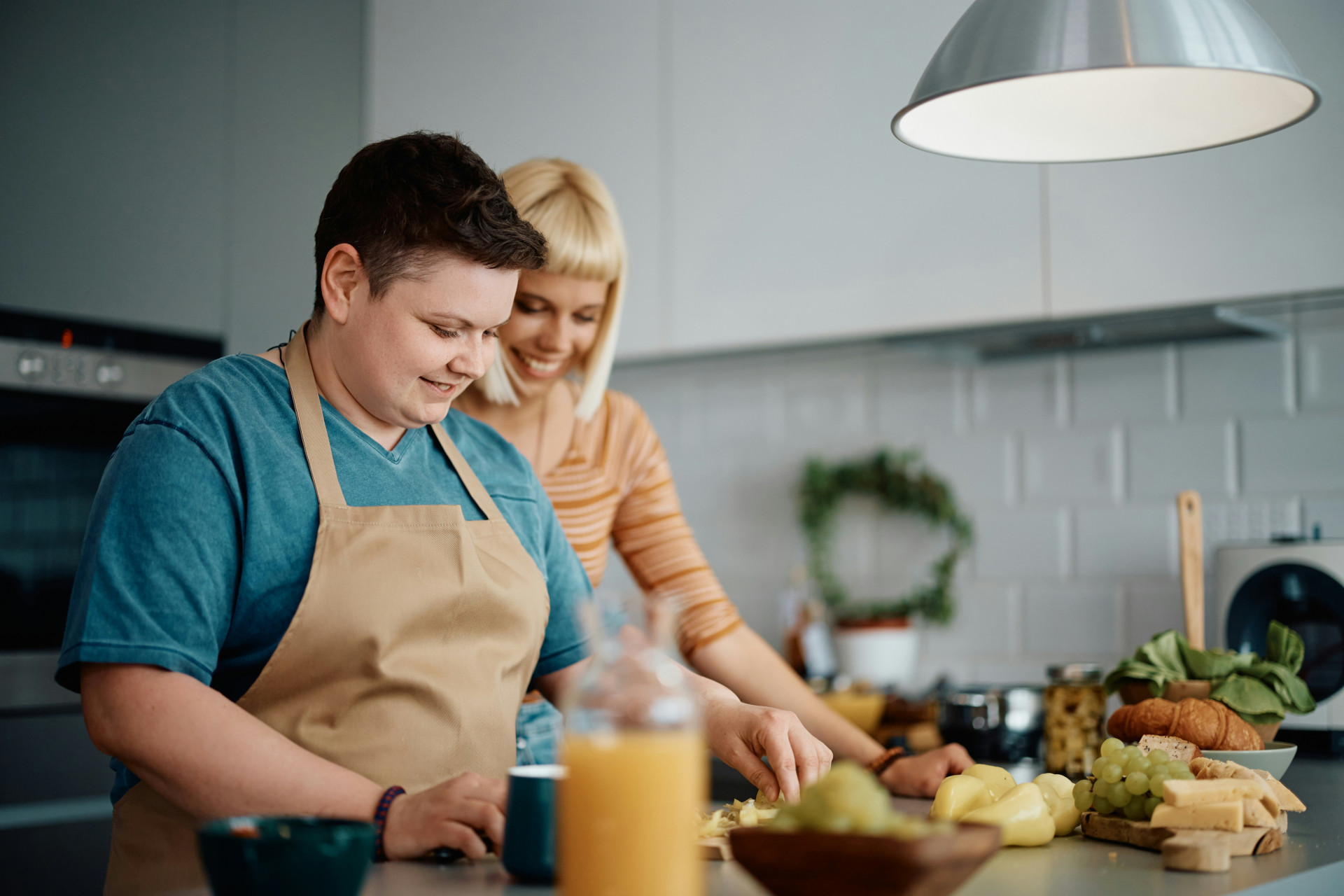
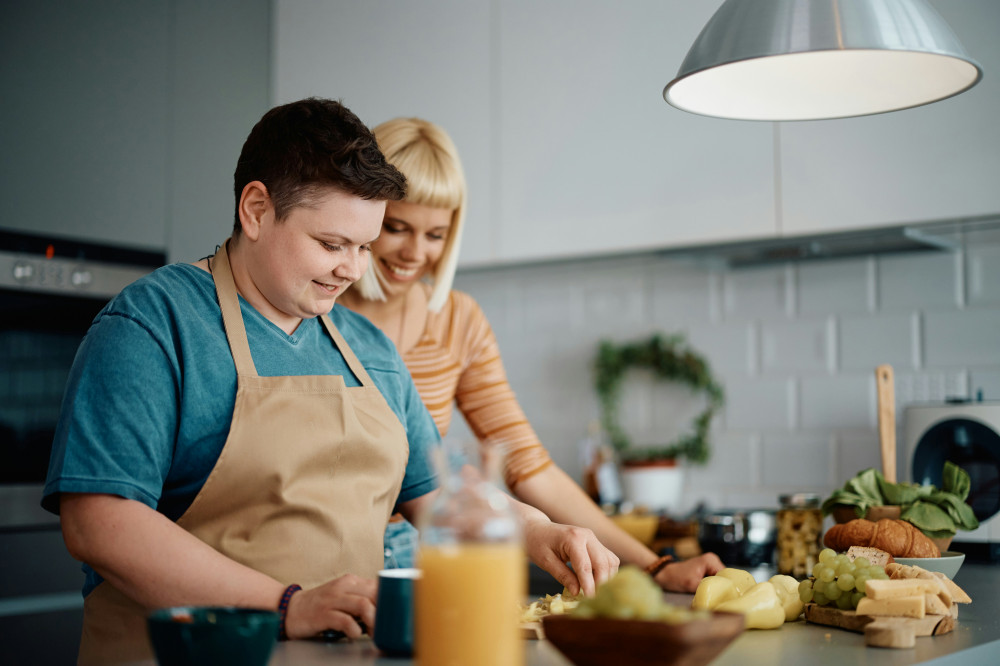
Turn everyday cooking into a fun, safe, and educational family activity
Eating
Eating
6 min
Discover how to make cooking an enjoyable and secure experience for children of all ages. From toddlers to teens, learn practical tips for involving kids in the kitchen while building confidence, creativity, and lasting family memories.
Logan Richards
Logan
Richards

Safe and Fun Cooking with Kids of All Ages

Turn everyday cooking into a fun, safe, and educational family activity
Eating
Eating
6 min
Discover how to make cooking an enjoyable and secure experience for children of all ages. From toddlers to teens, learn practical tips for involving kids in the kitchen while building confidence, creativity, and lasting family memories.
Logan Richards
Logan
Richards

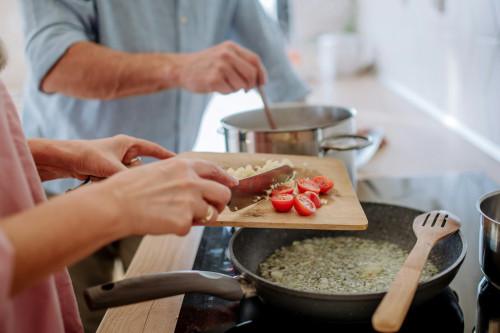
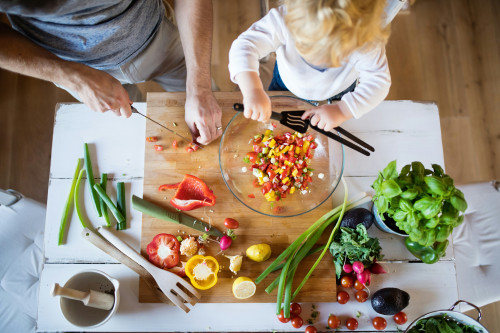
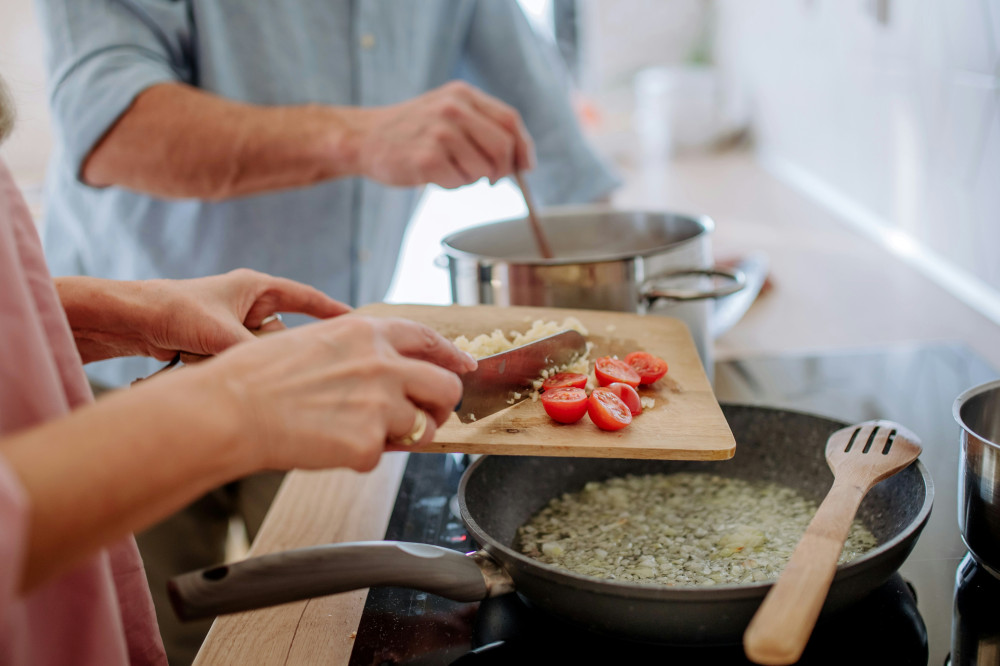
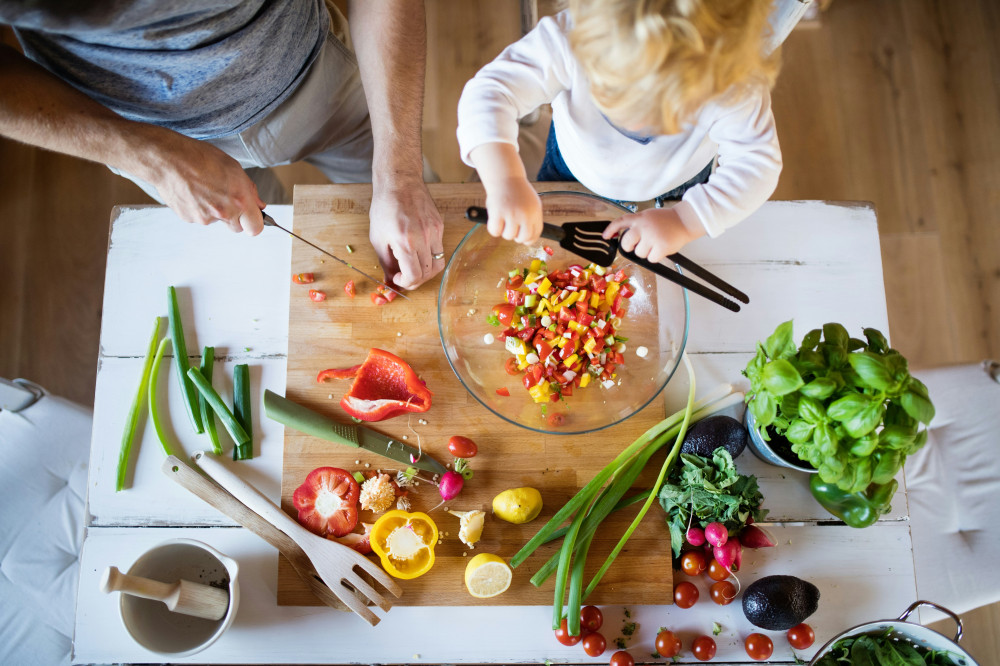
Cooking can be one of the most rewarding and educational activities you share with your children. It builds confidence, encourages creativity, and creates lasting memories — but it also requires a bit of planning and patience. Whether you have toddlers who love to stir the bowl or teens eager to try their own recipes, cooking can be both safe and fun for the whole family. Here’s how to make it work for kids of every age.

Create a Safe Kitchen Environment

Safety always comes first. The kitchen is full of exciting sights and smells — and potential hazards — so it’s important to set up a space where kids can explore without risk.

  • Keep tools organized: Store knives, hot pans, and electrical appliances out of reach of young children. Use kid-friendly utensils that fit small hands.
  • Teach good habits: Wash hands before and after cooking, and explain why it matters. It’s a great way to introduce hygiene in a positive way.
  • Set clear rules: Let kids know what they can and can’t do. Clear boundaries help them feel secure and focused on the fun parts.

When children feel safe, they’re more curious — and that’s when real learning begins.

Cooking with Little Ones (Ages 2–5)

Young children love to help, even if they can’t handle knives or heat yet. Turn cooking into a playful experience where they can touch, pour, and taste.

  • Let them stir the bowl — for example, when making pancake batter or cookie dough.
  • Give them simple tasks like rinsing fruits and veggies, sprinkling cheese on a pizza, or decorating cupcakes.
  • Talk about colors and shapes — it turns cooking into a sensory adventure and builds language skills.

At this age, the goal isn’t perfection — it’s participation. Expect a little mess; it’s part of the fun.

Cooking with School-Age Kids (Ages 6–11)

As kids grow, they can take on more responsibility. They can follow simple recipes, measure ingredients, and start to understand how food comes together.

  • Let them choose a meal for the family once in a while. It gives them ownership and motivation.
  • Introduce basic tools like a whisk, grater, or peeler — always with supervision.
  • Talk about ingredients — where they come from and why eating a variety of foods is important.

Cooking at this stage can also reinforce school skills like math and science: measuring, weighing, and observing how heat changes food.

Cooking with Teens

Teenagers often crave independence — and the kitchen is a great place to give it to them. Encourage them to experiment while staying available for guidance.

  • Let them take charge of a full dish — maybe pasta, stir-fry, or homemade tacos.
  • Encourage creativity — they might want to try vegetarian meals, bake bread, or recreate their favorite restaurant dish.
  • Discuss nutrition and responsibility — how to plan balanced meals, reduce food waste, and shop smart.

Cooking can become a path to self-reliance — and a shared interest that brings you closer.

Make Cooking a Shared Experience

Cooking with kids isn’t just about getting dinner on the table. It’s a chance to connect, talk about the day, and build family traditions. Play some music, assign each child a “cooking night,” or explore international cuisines together.

Remember, it doesn’t have to be perfect. What matters most is that everyone has fun and that kids feel proud of what they’ve made. When they’re included, their confidence grows — and so does their appreciation for good food.

From Kitchen Chaos to Lasting Memories

Yes, it might take longer, and yes, there will be extra cleanup. But what you gain is far more valuable: time together, laughter, learning, and memories that last. Cooking with kids isn’t just a practical skill — it’s an investment in family, confidence, and joy.

So next time you’re in the kitchen, invite the kids to join. Hand them an apron, give them a task, and embrace the adventure. You’ll find that cooking becomes not just safe and fun — but full of flavor and love.

Spices and Herbs – Small Flavor Boosters with Big Impact
Discover how a pinch of spice or a handful of herbs can transform your cooking and elevate everyday meals.
Eating
Eating
Spices
Herbs
Cooking
Flavor
Kitchen Tips
6 min
Spices and herbs are the unsung heroes of the kitchen—tiny ingredients with the power to change flavor, aroma, and even health benefits. Learn about their fascinating history, how to use them for balance and depth, and simple ways to make your dishes shine.
Giovanni Parker
Giovanni
Parker
Playing with Textures: How to Combine Ingredients to Create Exciting Dishes
Discover how texture can transform your cooking and make every bite more exciting
Eating
Eating
Cooking Tips
Food Texture
Culinary Creativity
Home Cooking
Flavor Balance
4 min
Great cooking isn’t just about flavor—it’s about how food feels. Learn how to combine ingredients with different textures to create dishes that surprise and delight, from creamy soups with crunchy toppings to crisp salads with soft elements.
Gabriel Scott
Gabriel
Scott
Let the Kids Loose in the Kitchen – Turn Cooking into a Creative Game
Turn mealtime into a joyful adventure where kids learn, play, and create together
Eating
Eating
Family Cooking
Kids Activities
Creative Learning
Healthy Habits
Parenting
4 min
Discover how to make cooking a fun, hands-on experience for the whole family. From simple tasks for toddlers to creative challenges for teens, learn how to spark curiosity, build confidence, and nurture healthy habits in the kitchen.
Jaxon Brooks
Jaxon
Brooks
Safe and Fun Cooking with Kids of All Ages
Turn everyday cooking into a fun, safe, and educational family activity
Eating
Eating
Family Cooking
Kids Activities
Parenting
Kitchen Safety
Family Fun
6 min
Discover how to make cooking an enjoyable and secure experience for children of all ages. From toddlers to teens, learn practical tips for involving kids in the kitchen while building confidence, creativity, and lasting family memories.
Logan Richards
Logan
Richards
How to Protect Your Mental Energy in a Busy Everyday Life
Simple strategies to stay balanced and protect your mental well-being in a fast-paced world
Family
Family
Mental Health
Self-Care
Stress Management
Work-Life Balance
Wellbeing
7 min
In a world that never seems to slow down, mental energy is one of your most valuable resources. Learn how to set boundaries, prioritize what matters, and build habits that help you stay focused, calm, and resilient in everyday life.
Camila Hall
Camila
Hall
Be the Role Model Your Child Learns the Most From
Show your child the power of learning through your everyday actions
Family
Family
Parenting
Child Development
Family
Role Modeling
Positive Parenting
2 min
Children learn more from what we do than from what we say. This article explores how parents can become positive role models by demonstrating empathy, resilience, and respect in daily life—teaching valuable lessons through example rather than instruction.
Giovanni Parker
Giovanni
Parker
A New Adult in the Family – How to Help Your Children Thrive
Support your children as your family grows and new relationships take shape
Family
Family
Parenting
Blended Families
Family Relationships
Child Development
Stepparenting
3 min
When a new adult joins the family, it can bring joy, change, and challenges. Learn how to guide your children through this transition with understanding, stability, and open communication—so everyone can feel secure and thrive together.
Gabriel Scott
Gabriel
Scott